
Peptide / Growth Hormone
RAD-140
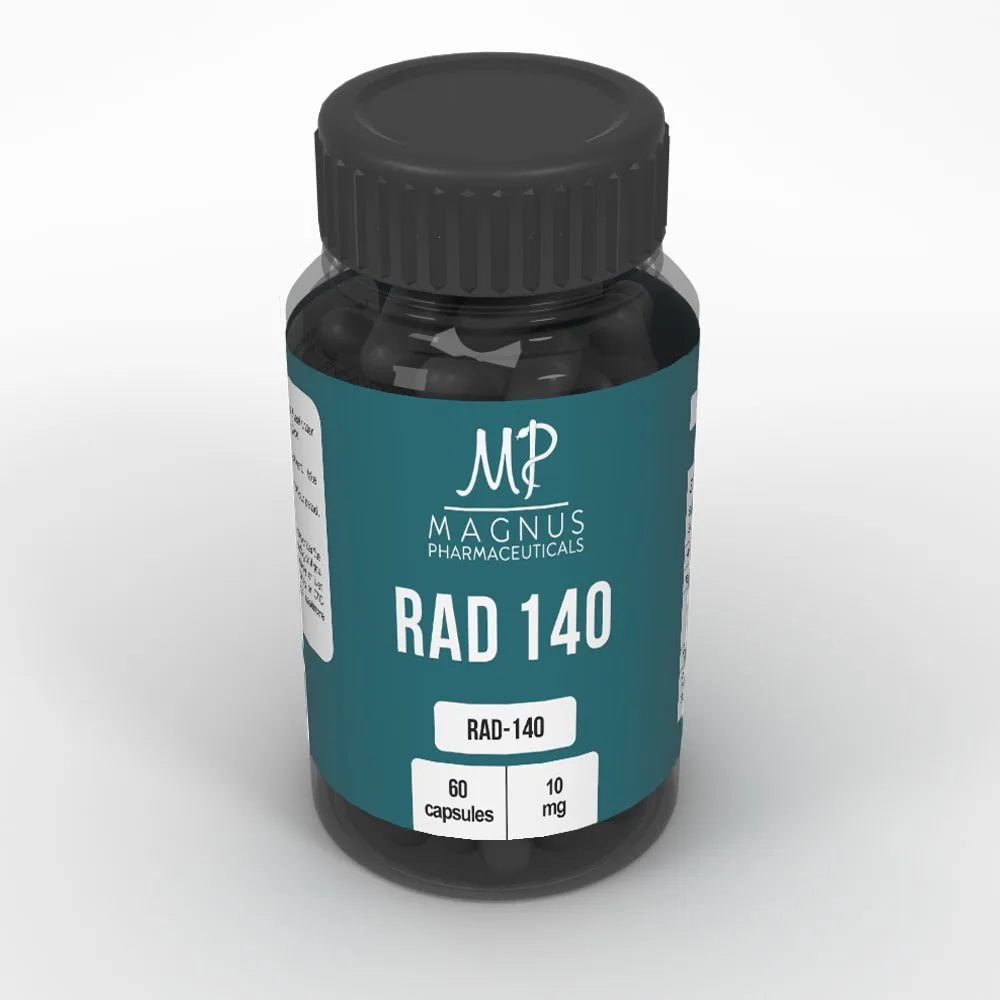
RAD-140 is a non-steroidal Selective Androgen Receptor Modulator (SARM) belonging to the Peptide / Growth Hormone class. It’s primarily investigated for its potential anabolic effects with minimal androgenic activity, making it of interest in research exploring muscle wasting conditions and performance enhancement. Users report utilizing RAD-140 during cutting phases to preserve lean mass or recomp cycles aiming for simultaneous fat loss and muscle gain. PharmaCom and Magnus Pharmaceuticals are two brands commonly associated with this compound.
It is crucial to understand that research compounds are not intended for human consumption, and their effects have not been fully evaluated.
Drug Class
Peptide / Growth Hormone
All Products
1 products
Legal status
Research compound (not FDA approved)
All Products — RAD-140
How RAD-140 Works
RAD-140 exhibits its effects by selectively binding to androgen receptors in muscle and bone tissue, while demonstrating limited activity in other tissues like the prostate. This targeted action is thought to promote anabolic processes – increased protein synthesis and reduced muscle breakdown – without many of the common side effects associated with traditional steroids. It mimics the effects of testosterone but with a significantly different receptor profile. Users report that this selectivity contributes to its potential for lean mass gains and improved body composition.
The compound’s binding affinity is high, leading to potent stimulation of androgen receptors even at low doses. This characteristic influences both the efficacy and duration of effects observed in research settings.
Typical Research Applications
RAD-140 is primarily investigated for its potential to combat muscle wasting diseases, such as cachexia and age-related sarcopenia. Athletes typically run RAD-140 during cutting cycles to mitigate muscle loss while in a caloric deficit. It’s also utilized in recomping stacks aiming to improve body composition simultaneously. Some researchers explore it for strength gains without significant weight gain, offering an alternative to traditional bulking compounds.
While not its primary use, users report that RAD-140 may be incorporated into post-cycle therapy (PCT) protocols due to its potential anabolic properties which could help maintain some muscle mass after the cessation of more potent cycles. However, this application requires careful consideration and monitoring.
Dosage Ranges + Cycle Length
For research purposes, advanced users typically run RAD-140 at doses between 20–30 mg per day. Intermediate users may start with 15–20mg daily. Cycles generally range from 8–12 weeks in duration. It’s crucial to begin with the lower end of the dosage range and carefully monitor individual response.
Users report that dividing the dose into multiple administrations throughout the day can help maintain stable blood levels. A common protocol involves taking 10mg twice daily. Blood work is essential before, during, and after a cycle to assess hormone levels and liver function. Cycles exceeding 12 weeks are not typically recommended without extensive research and medical supervision.
Side Effects + Safety Considerations
Users report potential side effects including mild suppression of natural testosterone production, requiring a Post-Cycle Therapy (PCT) protocol upon cycle completion. Other reported side effects include changes in libido and temporary increases in liver enzymes, indicating possible hepatotoxicity.
Due to the potential for liver stress, it is strongly advised to avoid combining RAD-140 with other hepatotoxic compounds. Regular blood work monitoring liver values (ALT, AST) is critical throughout the cycle. Age 21+ is recommended due to the impact on hormonal balance and potential long-term effects. A comprehensive PCT plan including SERMs like Nolvadex or Clomiphene citrate should be implemented following a RAD-140 cycle.
Mechanism of action
RAD-140 functions as a potent, non-steroidal SARM that binds to androgen receptors with high affinity, promoting anabolic effects in muscle and bone tissue while exhibiting minimal activity in other tissues.
Also known as
RAD140RadarineEnobosarm
Questions & answers
What is the difference between RAD-140 and Trenbolone?
RAD-140 selectively binds to androgen receptors, primarily in muscle and bone, while Trenbolone affects a broader range of androgenic pathways. Research suggests RAD-140 has fewer androgenic side effects than Trenbolone.
What is the recommended cycle length for RAD-140?
Cycles typically range from 8–12 weeks in duration, with advanced users potentially extending to 16 weeks under strict monitoring. Longer cycles are not generally advised without extensive research and medical supervision.
Is a PCT necessary after running RAD-140?
Yes, a Post Cycle Therapy (PCT) is strongly recommended due to potential suppression of natural testosterone production. SERMs like Nolvadex or Clomiphene citrate are commonly used in PCT protocols.
What kind of protein intake do athletes typically utilize with RAD-140?
Athletes typically consume a high-protein diet (1.6–2.2 grams per kilogram of body weight) to support muscle growth and recovery during RAD-140 cycles.
What is the legal status of RAD-140?
RAD-140 is currently classified as a Research compound (not FDA approved). It is not intended for human consumption and its sale and use are often restricted.
Related peptide / growth hormones
Andarine
Andarine is the active compound in 1 product in the PoseidonRX catalogue (also known as An…
View →CJC-1295 with DAC
CJC-1295 with DAC is the active compound in 1 product in the PoseidonRX catalogue.…
View →Human Growth Hormone
Human Growth Hormone is the active compound in 2 products in the PoseidonRX catalogue (als…
View →Ipamorelin
Ipamorelin is the active compound in 1 product in the PoseidonRX catalogue.…
View →