
Anti-Estrogen / AI
Clomiphene Citrate
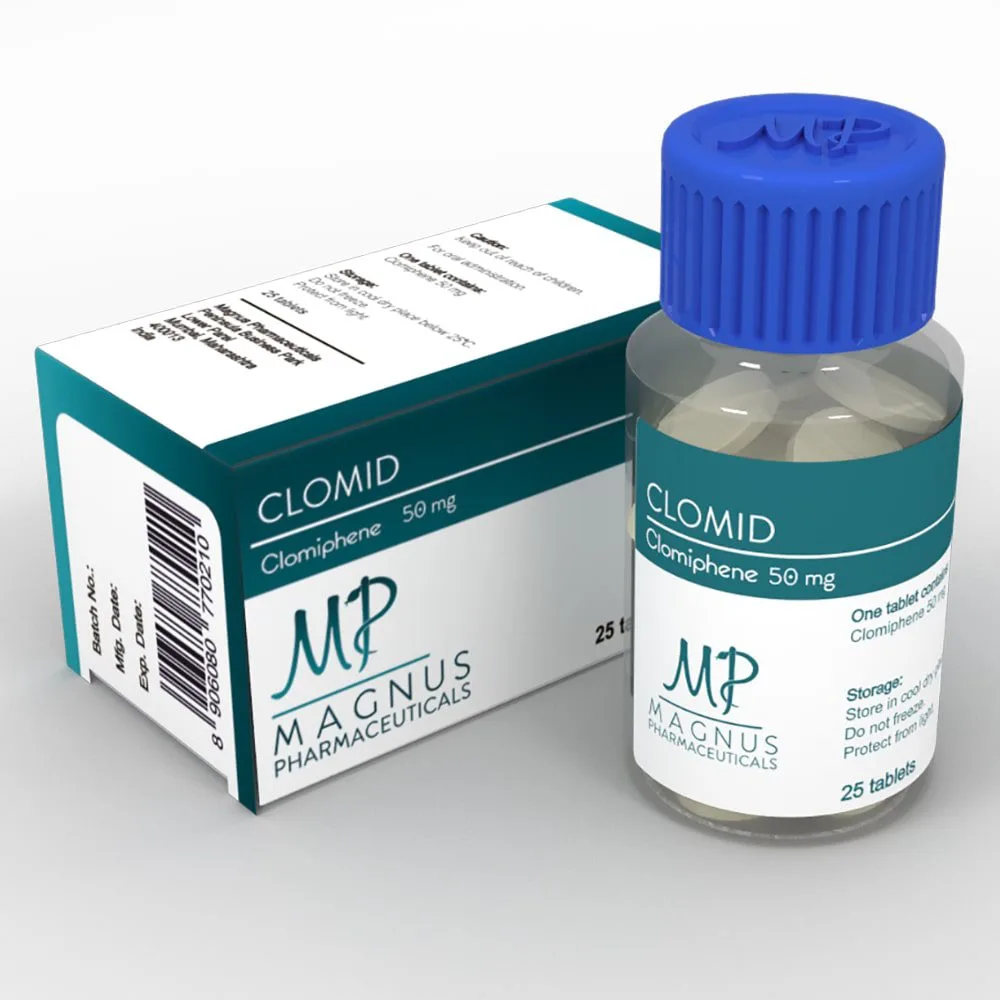
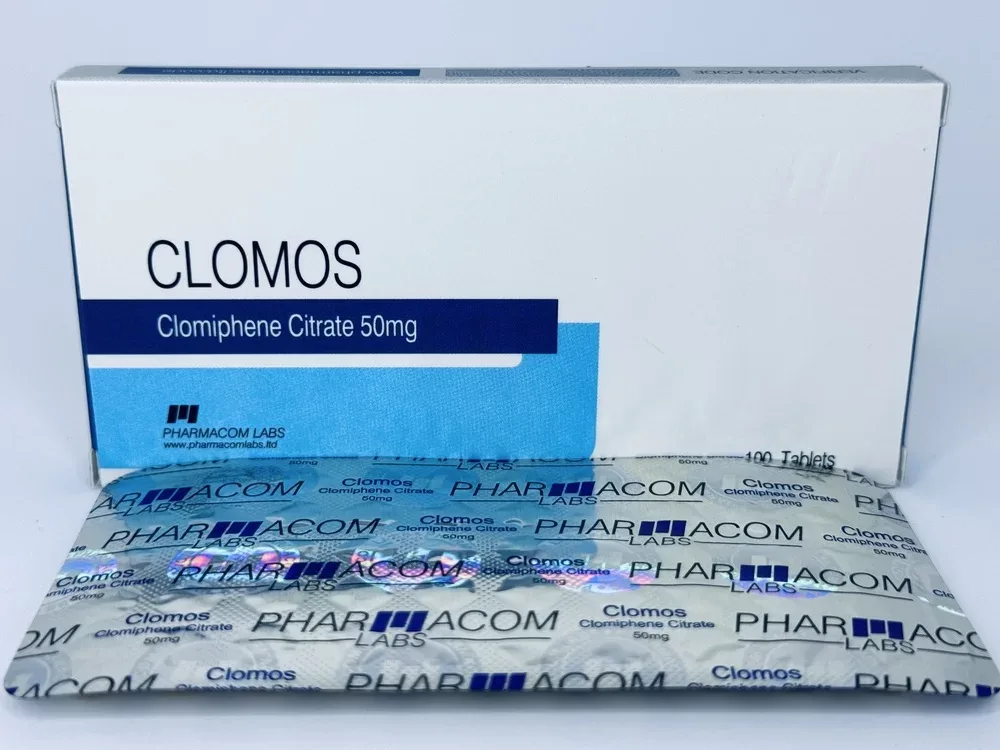
Clomiphene Citrate is a selective estrogen receptor modulator (SERM) classified as an Anti-Estrogen / AI. Primarily utilized for research and educational purposes in post-cycle therapy (PCT), it functions by blocking estrogen receptors, aiding in the restoration of natural testosterone production following anabolic steroid cycles. While originally developed to induce ovulation, its anti-estrogenic properties make it valuable for athletes seeking to mitigate estrogen-related side effects like water retention and gynecomastia. Clomid is a commonly referenced brand name associated with this compound.
Drug Class
Anti-Estrogen / AI
All Products
5 products
Legal status
Research compound (not FDA approved)
All Products — Clomiphene Citrate


How Clomiphene Citrate Works
Clomiphene Citrate competitively binds to estrogen receptors in the hypothalamus, preventing endogenous estrogen from exerting its effects. This disruption signals the pituitary gland to increase the production of luteinizing hormone (LH) and follicle-stimulating hormone (FSH). Elevated LH levels stimulate the testes to produce more testosterone. It does not directly affect aromatase activity; it merely blocks estrogen's action at the receptor level. Users report varying degrees of effectiveness depending on individual hormonal profiles and cycle length.
Typical Research Applications
Clomiphene Citrate is predominantly employed in post-cycle therapy (PCT) following the cessation of anabolic steroid use. Athletes typically run Clomiphene to counteract estrogenic rebound, which can manifest as gynecomastia, water retention, and suppressed natural testosterone levels. It may also be used in research contexts to investigate hypothalamic-pituitary-gonadal axis regulation. While less common, some users explore its potential for selective androgen receptor modulation (SARM) cycle support. It is not typically employed during active anabolic cycles.
Dosage Ranges + Cycle Length
For PCT research, a typical protocol involves initiating Clomiphene Citrate at 50 mg per day for the first two weeks, followed by a dose reduction to 25 mg per day for the subsequent two weeks. Some users opt for a tapering schedule of 25mg/day for an additional week. Total cycle duration rarely exceeds four weeks. Advanced researchers may utilize protocols up to 150mg/week, but this is not generally recommended. Bloodwork should be performed pre-cycle, mid-cycle and post-cycle to monitor hormone levels.
Side Effects + Safety Considerations
Commonly reported side effects include mood swings, visual disturbances (blurred vision, halos), headaches, and increased libido. Users report these are typically dose-dependent and subside after cycle completion. Clomiphene Citrate can potentially suppress LH production with prolonged use. A post-cycle therapy (PCT) protocol is crucial for restoring natural testosterone levels. Liver toxicity is not a significant concern; however, monitoring liver enzymes via bloodwork is advisable. Age 21+ only.
Mechanism of action
Clomiphene Citrate acts as a selective estrogen receptor modulator (SERM), competitively binding to estrogen receptors in the hypothalamus, resulting in increased gonadotropin-releasing hormone (GnRH) release and subsequent luteinizing hormone (LH) production.
Also known as
ClomidClomipheneClomifeneClomifene CitrateClominGenotropinHumatropeNorditropinMesteroloneAnavarPregnylOvidrel
Questions & answers
What is the primary function of Clomiphene Citrate?
Clomiphene Citrate primarily functions as a selective estrogen receptor modulator, blocking estrogen's effects and stimulating LH production for research in post-cycle therapy.
Is Clomiphene Citrate an aromatase inhibitor (AI)?
No, Clomiphene Citrate does not inhibit aromatase. It competitively binds to estrogen receptors preventing endogenous estrogen from binding.
What is a typical PCT cycle length with Clomiphene?
A standard PCT cycle using Clomiphene typically lasts 4 weeks, often starting at 50mg/day and tapering down to 25mg/day.
Are there any visual side effects associated with Clomiphene Citrate?
Yes, some users report experiencing blurred vision or seeing halos around lights, particularly at higher dosages. These are typically dose-dependent.
Is bloodwork necessary when using Clomiphene Citrate?
Bloodwork is highly recommended before, during and after a cycle to monitor hormone levels and assess the compound’s impact on your endocrine system.
Related anti-estrogen / ais
Anastrazole
Anastrazole is the active compound in 1 product in the PoseidonRX catalogue (also known as…
View →Cabergoline
Cabergoline is the active compound in 1 product in the PoseidonRX catalogue (also known as…
View →Clomid
Clomid is the active compound in 2 products in the PoseidonRX catalogue (also known as Bay…
View →Mesterolone
Mesterolone is the active compound in 4 products in the PoseidonRX catalogue (also known a…
View →