
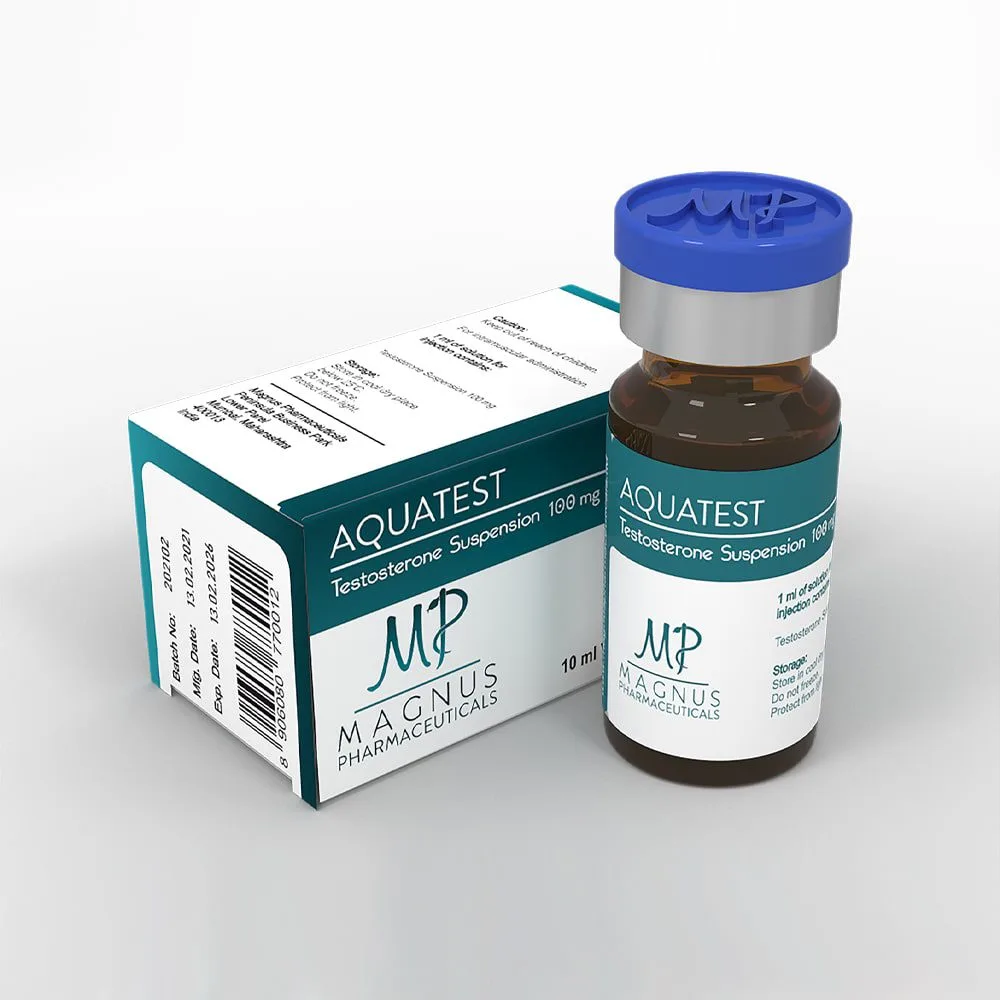
Anabolic Steroid (Oral)
Testosterone
Testosterone is a naturally occurring anabolic steroid primarily responsible for the development of male secondary sexual characteristics and plays a crucial role in muscle protein synthesis, bone density, and red blood cell production. In research settings, it’s widely studied for its effects on lean mass gain, strength improvements, and recovery enhancement. Magnus Pharmaceuticals and PharmaCom Labs are frequently cited brands offering various testosterone formulations. While naturally produced by the body, exogenous testosterone is often used in athletic performance research to explore its potential benefits.
Testosterone exists in many forms, each with differing pharmacokinetic properties impacting administration frequency and overall cycle structure. Understanding these differences is critical for informed research protocols.
Drug Class
Anabolic Steroid (Oral)
All Products
2 products
Legal status
Prescription-only medicine (Rx)
All Products — Testosterone
Injectable Steroids
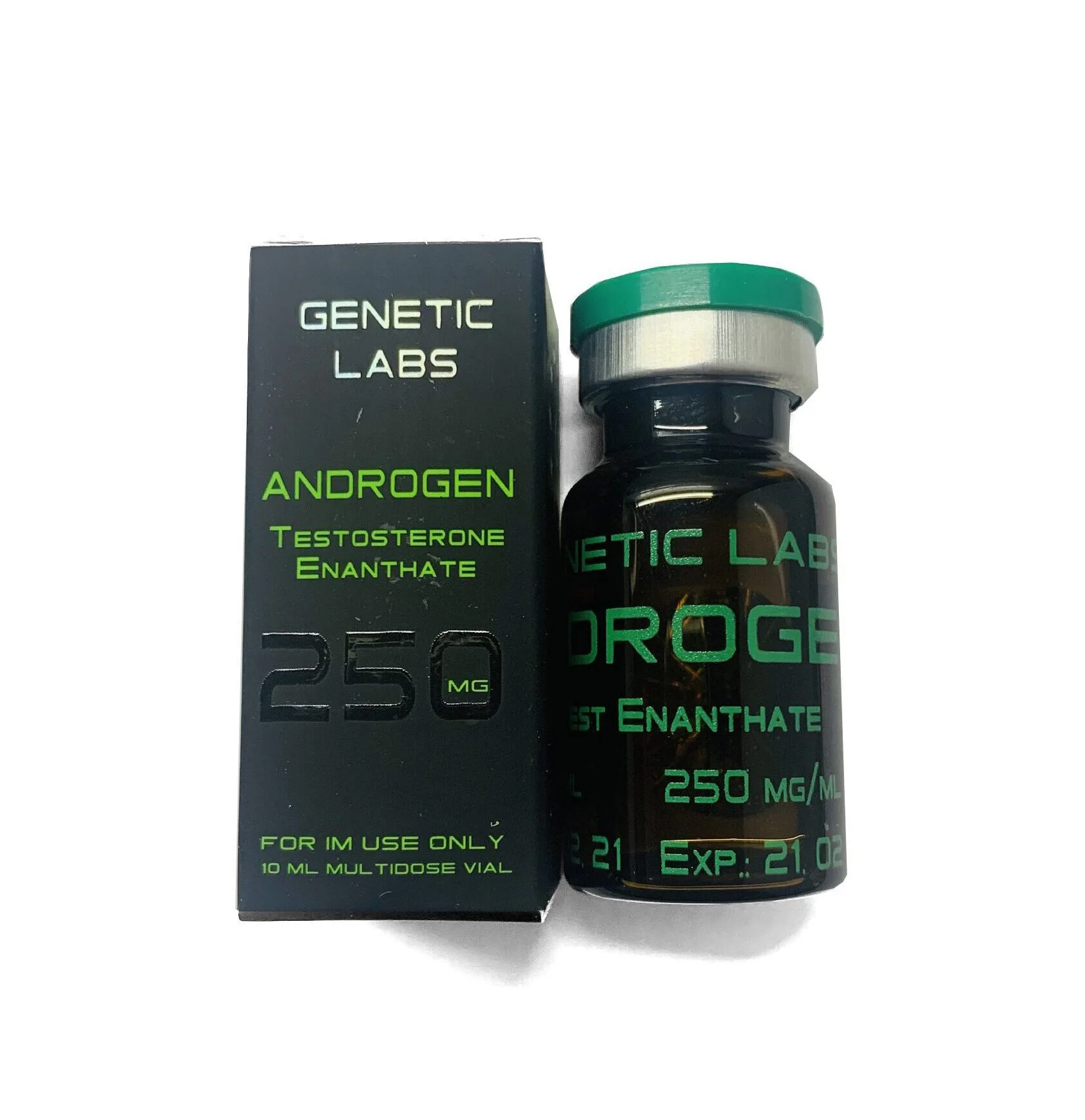
Androgen 10ml/250mg Testosterone Enanthate – Genetic Labs
Genetic Labs
€59.40 €66.00
Save €7.00
How Testosterone Works
Testosterone exerts its effects by binding to androgen receptors (ARs) in various tissues, including muscle, bone, and the central nervous system. This binding initiates a cascade of intracellular events leading to increased protein synthesis, nitrogen retention, and erythropoiesis. It also exhibits neuroprotective properties and can influence mood and cognitive function. Furthermore, testosterone undergoes metabolic conversion into dihydrotestosterone (DHT) via 5-alpha reductase, contributing to some of its characteristic effects. A portion is also aromatized into estradiol by the enzyme aromatase, which impacts estrogenic activity.
Testosterone's impact on the Hypothalamic-Pituitary-Gonadal (HPTA) axis is significant; exogenous administration suppresses endogenous production through negative feedback loops, requiring careful consideration for Post Cycle Therapy (PCT).
Typical Research Applications
Users report testosterone being applied in research protocols aiming to enhance muscle mass and strength gains during bulking phases. Athletes typically run cycles focusing on maximizing protein synthesis and recovery, often combined with other compounds for synergistic effects. Testosterone is also used in recomping strategies to simultaneously build muscle and reduce body fat. Furthermore, it plays a role in post-cycle therapy (PCT) protocols to aid in restoring natural testosterone production after the cessation of more potent anabolic steroids.
Some research explores its application in addressing hypogonadism or age-related testosterone decline; however, this is outside the scope of athletic performance studies.
- Bulking: 500-1000mg/week for 8-12 weeks
- Cutting: 400-600mg/week for 8-12 weeks
- Recomping: 300-500mg/week for 8-12 weeks
- PCT Support: 100-300mg/week (depending on cycle length and compounds used)
Dosage Ranges + Cycle Length
Intermediate users typically run cycles of Testosterone Enanthate or Cypionate at doses ranging from 500mg to 750mg per week for a duration of 10-12 weeks. Advanced athletes may utilize higher dosages, up to 1000mg/week, but this is typically reserved for experienced individuals with a thorough understanding of the compound's effects. Testosterone Propionate requires more frequent injections (every other day) due to its shorter half-life, often at similar weekly totals.
Oral testosterone formulations (e.g., Stanozolol combined with testosterone esters) are less common for primary cycles but may be used in bridging protocols or as part of a complex stack. Cycle length should be carefully considered based on individual goals and tolerance; longer cycles necessitate more robust PCT strategies.
Side Effects + Safety Considerations
Users report potential side effects including acne, hair loss (in genetically predisposed individuals), and gynecomastia due to aromatization. Suppression of the HPTA axis is inevitable with exogenous testosterone use, necessitating a comprehensive Post Cycle Therapy (PCT) protocol involving SERMs like Clomiphene Citrate or Tamoxifen. Liver toxicity is generally minimal with injectable forms, but oral formulations carry a higher risk.
Regular blood work is crucial throughout the cycle to monitor hormone levels, lipid profiles, and liver function. It's recommended that users are at least 21 years of age before considering testosterone research. Estrogen control via aromatase inhibitors (AIs) may be necessary to mitigate estrogenic side effects.
Mechanism of action
Testosterone binds to androgen receptors, increasing protein synthesis, nitrogen retention, and red blood cell production while influencing secondary sexual characteristics and neuroprotective pathways.
Also known as
BioTech LaboratoriesVanguard BiopharmSynthesis PharmaceuticalsElite HormonesPrecision SteroidsVectura Testosterone (Aqueous)Bio-Test Testosterone SuspensionCytomix Testosterone (Microcrystalline)
Questions & answers
What is TRT?
Testosterone Replacement Therapy (TRT) involves administering testosterone to individuals with clinically low levels, aiming to restore hormonal balance and alleviate associated symptoms. It differs from performance-enhancing cycles in dosage and goals.
Is 1 ml enough testosterone for a week?
This depends on the ester and concentration of the product. Typically, 1ml equates to roughly 250mg/week with common esters like Enanthate or Cypionate at a concentration of 250mg/ml; however, always verify the specific product label.
What is the best dose for Testosterone replacement therapy?
Optimal TRT dosage varies significantly based on individual factors. Clinical guidelines typically range from 300-600mg per month, adjusted based on blood work and symptom response; this should be determined by a qualified healthcare professional.
What is the half-life of Testosterone?
Testosterone’s half-life varies depending on the ester. Enanthate has a half-life of approximately 8.4 days, while Propionate's is around 2.5 days. This dictates injection frequency for stable blood levels.
How does testosterone impact HPTA suppression?
Exogenous testosterone suppresses the Hypothalamic-Pituitary-Gonadal (HPTA) axis through negative feedback, reducing endogenous production. The extent of suppression depends on dosage and cycle length; PCT is often required to restore natural function.
Related anabolic steroid (oral)s
17α‑Methyl‑dihydrotestosterone
17α‑Methyl‑dihydrotestosterone is the active compound in 1 product in the PoseidonRX catal…
View →4‑Chlorodehydromethyl Testosterone
4‑Chlorodehydromethyl Testosterone is the active compound in 2 products in the PoseidonRX …
View →Anadrol
Anadrol is the active compound in 2 products in the PoseidonRX catalogue (also known as An…
View →Anavar
Anavar is the active compound in 3 products in the PoseidonRX catalogue (also known as Ana…
View →