
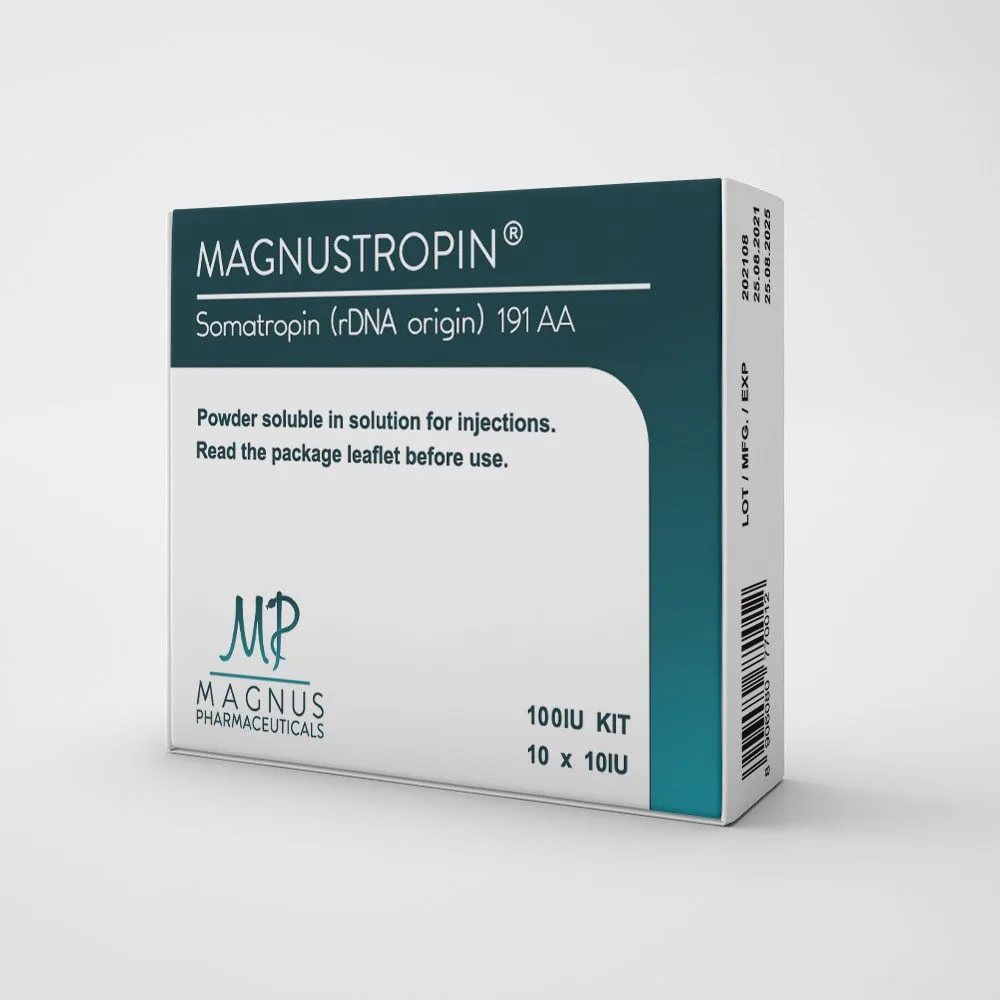
Peptide / Growth Hormone
Human Growth Hormone
Human Growth Hormone (HGH) is a naturally occurring peptide hormone produced by the pituitary gland, classified as a growth hormone. In research and athletic contexts, HGH is primarily investigated for its potential anabolic and recovery-enhancing properties. Genotropin and Humatrope are leading pharmaceutical brands offering recombinant human growth hormone. Users report exploring HGH's effects on muscle protein synthesis, fat metabolism, and overall tissue repair.
While endogenous production declines with age, exogenous administration is typically studied to restore or elevate levels for specific research goals. It’s crucial to understand that HGH is a complex substance requiring careful consideration of dosage, cycle length, and potential side effects.
Drug Class
Peptide / Growth Hormone
All Products
2 products
Legal status
Research compound (not FDA approved)
All Products — Human Growth Hormone
How Human Growth Hormone Works
HGH functions by stimulating the liver to produce Insulin-like Growth Factor 1 (IGF-1), which mediates many of its anabolic effects. IGF-1 promotes protein synthesis, amino acid uptake into cells, and glucose metabolism. HGH also directly influences fat cell breakdown, contributing to lipolysis. It binds to specific receptors in various tissues, initiating intracellular signaling cascades that support growth and repair processes.
Pharmacologically, HGH’s effects are dependent on pulsatile secretion; continuous administration can lead to decreased receptor sensitivity. Research suggests optimal responses occur with carefully timed injections mimicking natural release patterns. Furthermore, the hormone influences bone density, cartilage growth, and immune function, making it a subject of broad scientific inquiry.
Typical Research Applications
Users report investigating HGH for its potential to enhance muscle protein synthesis during both bulking and cutting phases. Athletes typically run HGH alongside anabolic steroids or other research compounds to maximize gains and minimize catabolism. Some researchers explore the use of HGH to accelerate recovery from intense training sessions, reducing muscle soreness and fatigue.
HGH is also studied for its potential role in post-cycle therapy (PCT), aiming to restore natural hormone production after steroid cycles. However, this application requires careful monitoring due to the complex interplay between HGH and other hormones. Strength athletes may utilize HGH as part of a comprehensive protocol designed to improve power output and overall performance.
Dosage Ranges + Cycle Length
Advanced users typically run HGH at dosages ranging from 4–8 IU (International Units) per day, divided into multiple injections to mimic natural pulsatile release. Intermediate researchers may start with 2–4 IU daily. Cycle lengths commonly range from 12–24 weeks, followed by a gradual taper to minimize suppression of endogenous production.
Injection frequency is crucial; subcutaneous administration is preferred for optimal absorption and bioavailability. Bloodwork monitoring (IGF-1, glucose, liver enzymes) is essential throughout the cycle to assess response and manage potential side effects. Users report some success with pulsing protocols – e.g., 2 weeks on/2 weeks off – but data remains limited.
Side Effects + Safety Considerations
Common side effects reported by users include water retention, joint pain, carpal tunnel syndrome, and increased blood glucose levels. Long-term use may lead to insulin resistance and an elevated risk of cardiovascular issues. Hepatotoxicity is generally low with HGH itself but can be exacerbated when combined with oral anabolic steroids.
A post-cycle therapy (PCT) protocol is recommended after completing an HGH cycle, focusing on maintaining hormonal balance and supporting natural recovery. Age 21+ is strongly advised due to potential effects on bone growth. Regular bloodwork – including IGF-1, glucose, lipid panels, and liver enzymes – is crucial for monitoring safety.
Mechanism of action
Human Growth Hormone primarily stimulates IGF-1 production in the liver, leading to anabolic effects like protein synthesis, amino acid uptake, and lipolysis by binding to growth hormone receptors and initiating intracellular signaling pathways.
Also known as
GenotropinHumatropeNorditropinOmnitropeSaizenNutropinSerostimZorbtiveTev‑tropinAnavarSomatropinClomiphene Citrate
Questions & answers
What are normal HGH ranges?
Normal HGH levels vary with age and individual factors. Generally, adult males report ranges of 2–10 ng/mL, while females typically fall between 1–8 ng/mL. However, these values can fluctuate significantly based on time of day and other physiological conditions.
What is Human Growth Hormone (HGH)?
Human Growth Hormone is a peptide hormone vital for growth, cell regeneration, and maintaining healthy body composition. It’s produced by the pituitary gland and plays a key role in numerous metabolic processes.
How to increase human growth hormone naturally?
Adequate sleep (7-9 hours), regular exercise (especially high-intensity interval training), proper nutrition, and maintaining a healthy body weight may support natural HGH production. However, these methods typically yield modest results.
What is the role of HGH in the body?
HGH promotes growth and cell reproduction, regulates metabolism, and supports tissue repair. It influences bone density, muscle mass, fat distribution, and overall physiological function.
Are there any potential HGH side effects?
Users report possible side effects including joint pain, water retention, carpal tunnel syndrome, increased blood sugar levels, and insulin resistance with prolonged use. Monitoring through regular bloodwork is crucial for mitigating risks.
Related peptide / growth hormones
Andarine
Andarine is the active compound in 1 product in the PoseidonRX catalogue (also known as An…
View →CJC-1295 with DAC
CJC-1295 with DAC is the active compound in 1 product in the PoseidonRX catalogue.…
View →Ipamorelin
Ipamorelin is the active compound in 1 product in the PoseidonRX catalogue.…
View →LGD‑4033
LGD‑4033 is the active compound in 1 product in the PoseidonRX catalogue (also known as EA…
View →