
Peptide / Growth Hormone
LGD‑4033
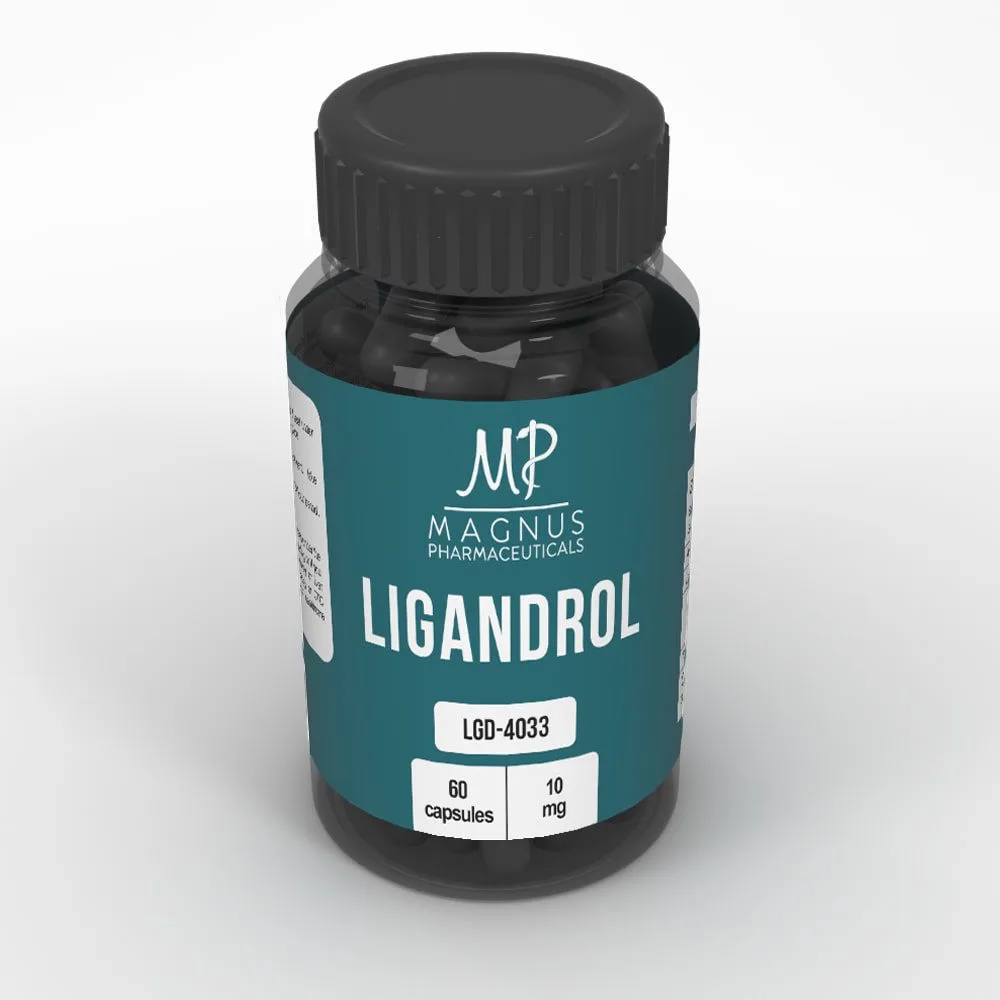
LGD‑4033, commonly known as Ligandrol, is a selective androgen receptor modulator (SARM) belonging to the Peptide / Growth Hormone class. Originally developed for treating conditions like muscle wasting and osteoporosis, LGD‑4033 has gained attention within research communities and strength athletes due to its potential anabolic effects. Users report it's primarily investigated for increasing lean muscle mass, enhancing recovery, and improving overall body composition. Products such as PharmaCom and Magnus offer LGD‑4033 formulations for research purposes.
It is crucial to understand that this compound is not intended for human consumption or medical use. This information is provided strictly for educational purposes, and any application should be approached with extreme caution and thorough understanding of potential risks.
Drug Class
Peptide / Growth Hormone
All Products
1 products
Legal status
Research compound (not FDA approved)
All Products — LGD‑4033
How LGD‑4033 Works
LGD‑4033 exhibits its effects by selectively binding to androgen receptors in muscle tissue. Unlike traditional anabolic steroids, it demonstrates a significantly higher affinity for these receptors, resulting in potent anabolic activity with reduced side effects typically associated with systemic steroid use. This targeted action promotes protein synthesis and muscle growth without the same degree of virilization or prostate issues seen with non-selective compounds.
The binding process initiates a cascade of intracellular signaling events that ultimately lead to increased gene expression related to muscle development. Users report this results in enhanced nitrogen retention, improved recovery times, and a positive impact on overall strength levels. However, it's important to note that LGD‑4033 still influences the androgen receptor pathway and can cause hormonal imbalances.
Typical Research Applications
Researchers primarily investigate LGD‑4033 for its potential to combat muscle wasting conditions, such as cachexia associated with chronic illnesses. Within athletic contexts, users report utilizing it during bulking phases to accelerate lean mass gains and improve strength development. It's also investigated in recomp cycles – simultaneously aiming for fat loss and muscle gain.
Athletes typically run LGD‑4033 during periods where maximizing anabolism is desired, often combined with rigorous training protocols and optimized nutrition. Post-cycle therapy (PCT) is strongly recommended following a cycle due to the suppressive effects on natural testosterone production. The compound isn't commonly used as a standalone PCT agent but may be incorporated into a broader recovery plan.
Dosage Ranges + Cycle Length
For research purposes, advanced users typically run LGD‑4033 at doses ranging from 5–15 mg per day. Intermediate users often start with a lower dose of 3–8 mg daily. Cycle lengths generally range between 8–12 weeks, though some researchers explore shorter cycles of 6-weeks for quicker gains.
It’s common to divide the daily dosage into multiple administrations to maintain stable blood levels. Blood work is essential before, during, and after a cycle to monitor hormone levels (testosterone, estradiol), liver function, and lipid profiles. Users report that exceeding 20 mg per day doesn’t necessarily yield proportional benefits and significantly increases the risk of side effects.
Side Effects + Safety Considerations
Users report potential side effects associated with LGD‑4033 use include suppression of natural testosterone production, leading to symptoms like reduced libido and fatigue. Elevated estrogen levels can occur, potentially causing gynecomastia or water retention. While less common than with traditional steroids, liver stress (hepatotoxicity) is a possibility, particularly at higher doses.
PCT is crucial following any LGD‑4033 cycle to restore natural testosterone levels and mitigate potential side effects. Regular blood work monitoring is essential to assess hormone balance and overall health. This compound should only be considered by individuals aged 21+ with a full understanding of the risks involved. It’s vital to consult with healthcare professionals before undertaking any research involving SARMs.
Mechanism of action
LGD‑4033 selectively binds to androgen receptors, stimulating protein synthesis and muscle growth with limited impact on other tissues; this binding affinity promotes anabolism without the widespread effects of traditional anabolic agents.
Also known as
LigandrolLGD‑4033LIGANDELEAS
Questions & answers
What is RAD‑140 (Testolone)?
RAD‑140, like LGD‑4033, is a SARM investigated for its anabolic properties. Users report it exhibits a stronger androgenic effect than LGD‑4033 and may be more potent but also carries a higher risk of side effects.
What Is LGD‑4033 (Ligandrol)?
LGD‑4033 is a non-steroidal SARM that selectively binds to androgen receptors. Users report it's primarily researched for increasing muscle mass and strength with fewer side effects than traditional steroids.
What are the typical gains from an LGD‑4033 cycle?
Gains vary significantly based on individual factors, diet, training intensity, and dosage. Users report potential lean mass gains of 2–5 kg over an 8-12 week cycle when combined with appropriate nutrition and exercise.
Is a PCT necessary after running LGD‑4033?
Yes, PCT is highly recommended to restore natural testosterone production. Users report utilizing SERMs like Clomiphene Citrate or Nolvadex during PCT to mitigate suppression-related side effects.
What are the legal concerns surrounding LGD‑4033?
LGD‑4033 is not FDA approved for human consumption and is typically classified as a research compound. Its use may be prohibited by sporting organizations like WADA, so athletes should verify its status before use.
Related peptide / growth hormones
Andarine
Andarine is the active compound in 1 product in the PoseidonRX catalogue (also known as An…
View →CJC-1295 with DAC
CJC-1295 with DAC is the active compound in 1 product in the PoseidonRX catalogue.…
View →Human Growth Hormone
Human Growth Hormone is the active compound in 2 products in the PoseidonRX catalogue (als…
View →Ipamorelin
Ipamorelin is the active compound in 1 product in the PoseidonRX catalogue.…
View →