Anti Estrogens
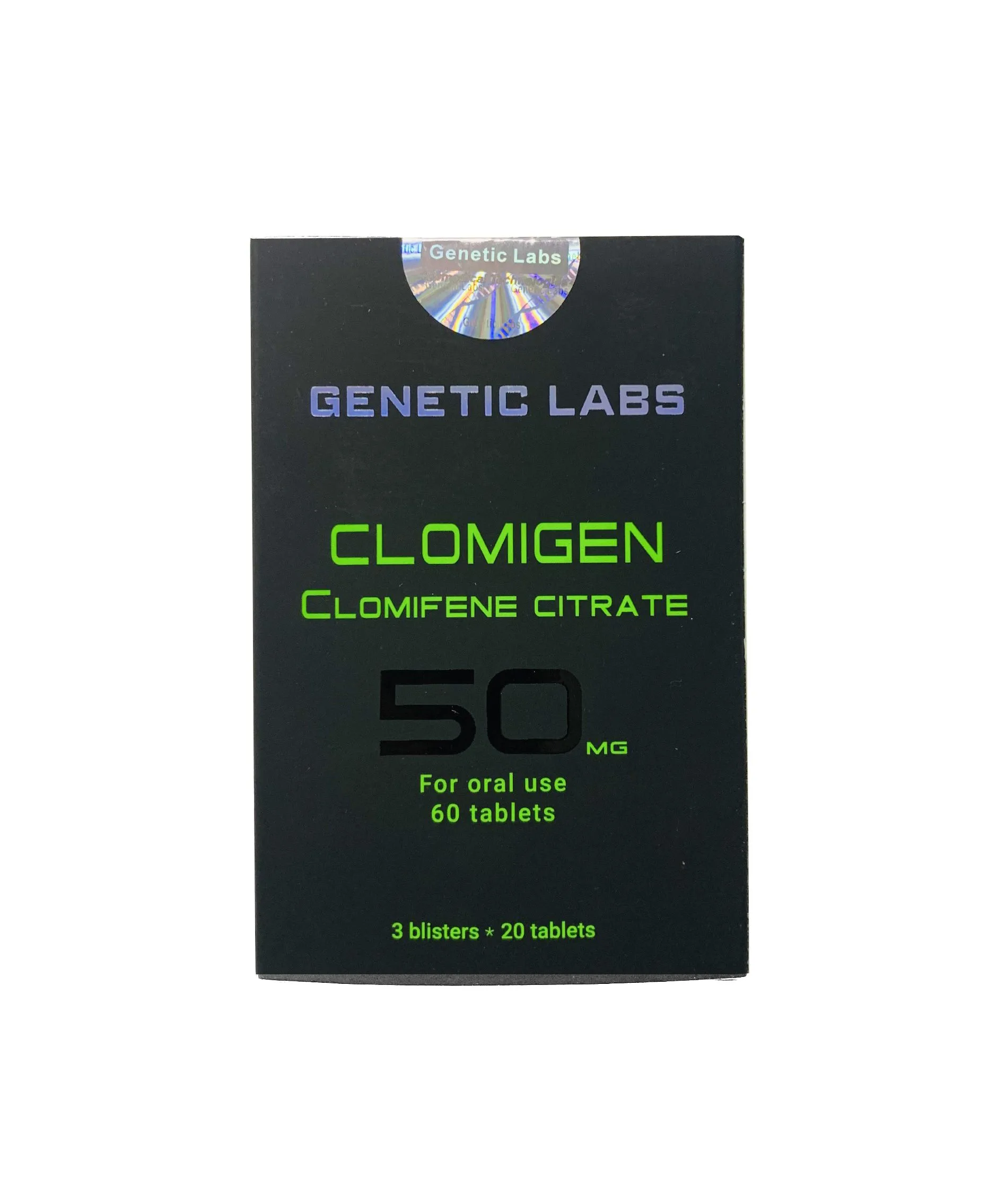
Clomigen 60tab/50mg Clomifene Citrate – Genetic Labs
Genetic Labs
€59.40 €66.00
Save €7.00

Clomid, or Clomifene Citrate, is a selective estrogen receptor modulator (SERM) categorized as an Anti-Estrogen / AI. Primarily utilized for research and educational purposes to induce ovulation, it’s also frequently employed by athletes in post-cycle therapy (PCT) following anabolic steroid cycles. Users report its ability to help restore natural testosterone production after suppression from exogenous hormone use. While Bayer Clomifene is a well-known brand name, PoseidonRX offers 2 products containing the active compound Clomid.
Drug Class
Anti-Estrogen / AI
All Products
2 products
Legal status
Prescription-only medicine (Rx)
Anti Estrogens
Genetic Labs
Save €7.00
Clomid functions by competitively binding to estrogen receptors in the hypothalamus and pituitary gland. This blockage increases Gonadotropin-Releasing Hormone (GnRH) release, subsequently elevating Luteinizing Hormone (LH) and Follicle-Stimulating Hormone (FSH). Increased LH stimulates Leydig cells to produce testosterone. It does not directly affect aromatase activity; instead, it modulates estrogen's effects at the receptor level. This mechanism is key for its use in PCT protocols.
Clomid is most commonly researched for its role in post-cycle therapy (PCT) after cycles involving compounds like Testosterone enanthate (Sustanon 250, Testcort), Oxandrolone (Anavar, Oxane), and HGH (Genexine, NutraGen). Users report using it to mitigate estrogenic side effects such as gynecomastia and water retention. Athletes typically run Clomid during PCT to help restore natural testosterone levels and libido suppressed by anabolic steroids. While not directly used for bulking or cutting phases, its impact on hormonal balance can indirectly support these goals through optimized recovery.
For PCT purposes, athletes typically run Clomid at 50-150mg per day for a duration of 4-6 weeks. A common protocol involves starting with 150mg daily for the first two weeks, followed by a taper down to 50mg daily for the remaining period. Some users report success with lower dosages (25mg/day) over extended cycles (8–12 weeks), but this is less frequently observed. Bloodwork monitoring of testosterone and estrogen levels is highly recommended throughout the cycle to assess effectiveness and adjust dosage as needed.
Commonly reported side effects include mood swings, visual disturbances (blurred vision), headaches, and increased estrogenic activity in some individuals. Users should be at least 21 years of age before considering Clomid use. Due to its estrogen-modulating properties, a Post Cycle Therapy (PCT) plan incorporating aromatase inhibitors may be necessary for some users. Regular bloodwork is crucial to monitor liver function and hormone levels. Hepatotoxicity has been reported; therefore, caution should be exercised with prolonged or high-dose usage.
Mechanism of action
Clomifene citrate competitively binds to estrogen receptors in the hypothalamus, stimulating GnRH release which increases LH and FSH production, ultimately promoting endogenous testosterone synthesis.
Clomid is primarily researched as a SERM to modulate estrogen levels, often employed in PCT protocols following prohormone or steroid cycles.
Typical research applications involve 4-6 week cycles, but some users report using it for extended periods (8–12 weeks) at lower dosages.
While Clomid aids in restoring natural testosterone production, additional PCT compounds may be required depending on the cycle length and severity of suppression.
Reported side effects include mood swings, visual disturbances, headaches, and potential increases in estrogenic activity.
Yes, regular bloodwork is highly advised to monitor hormone levels (testosterone, estrogen) and liver function throughout the cycle.
Anastrazole is the active compound in 1 product in the PoseidonRX catalogue (also known as…
View →Cabergoline is the active compound in 1 product in the PoseidonRX catalogue (also known as…
View →Clomiphene Citrate is the active compound in 5 products in the PoseidonRX catalogue (also …
View →Mesterolone is the active compound in 4 products in the PoseidonRX catalogue (also known a…
View →Verified Manufacturers
Lab-tested pharmaceutical grade
Fast Dispatch
Orders ship within 24 hours
1,160+ Reviews
4.8 / 5 from verified buyers
Discreet & Secure
Plain packaging, SSL checkout