
Anti-Estrogen / AI
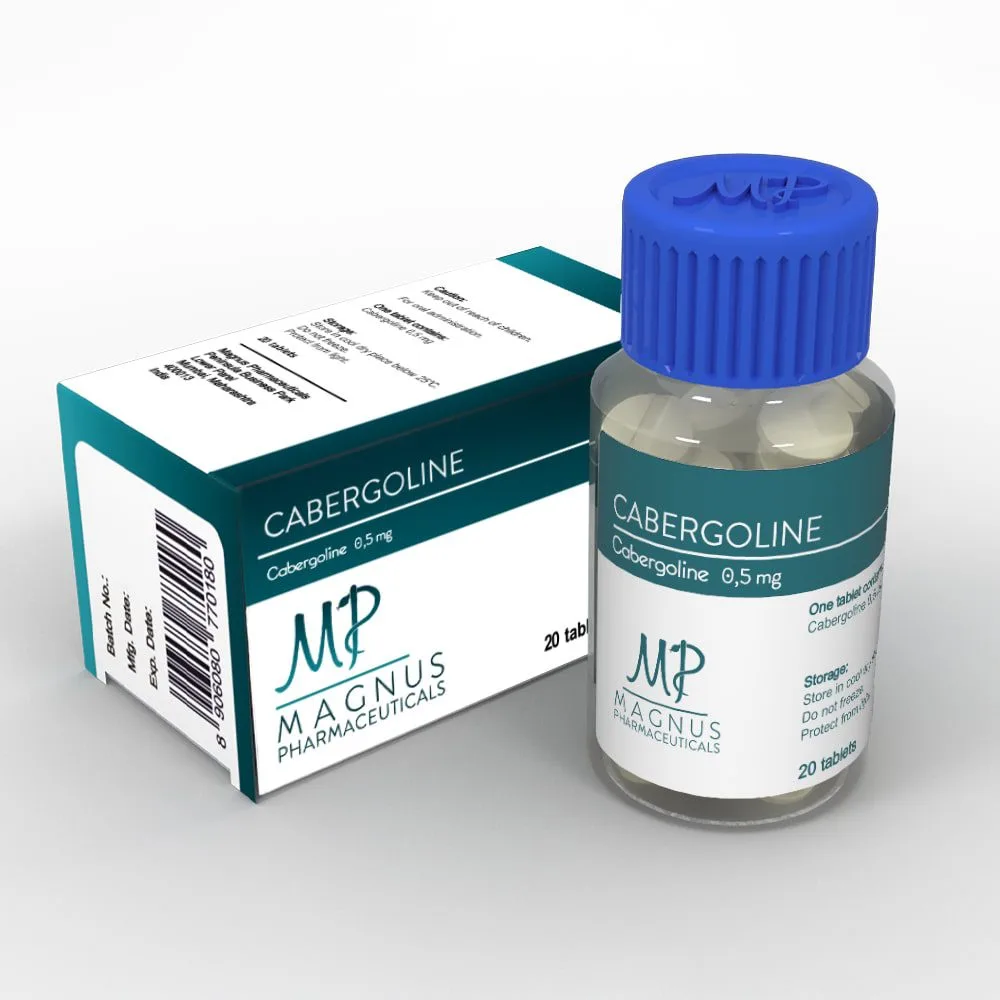
Cabergoline
Cabergoline is a dopamine receptor agonist primarily classified as an Anti-Estrogen / AI. While originally developed for the treatment of hyperprolactinemia, users report its application in bodybuilding and performance research to manage prolactin levels, particularly those elevated by aromatizing compounds. Dostinex and Cabergol are frequently encountered brand names. Cabergoline's ability to suppress prolactin is valuable for maintaining hormonal balance during cycles where estrogen control is paramount.
Note: This information is intended for research and educational purposes only.
Drug Class
Anti-Estrogen / AI
All Products
1 products
Legal status
Prescription-only medicine (Rx)
All Products — Cabergoline
How Cabergoline Works
Cabergoline functions as a potent, long-acting dopamine D2 receptor agonist. By binding to these receptors in the pituitary gland, it inhibits prolactin release. Prolactin is an hormone that can cause several unwanted side effects when elevated, such as gynecomastia and sexual dysfunction. Users report that cabergoline’s selective action on D2 receptors minimizes impact on other dopamine pathways compared to earlier generation compounds.
The suppression of prolactin isn't direct estrogen control; it addresses a secondary effect often triggered by increased estrogen levels. It is important to understand this distinction when formulating research protocols.
Typical Research Applications
Cabergoline’s primary application in performance research centres around Post Cycle Therapy (PCT). Athletes typically run cabergoline to mitigate prolactin-related side effects following cycles involving compounds known to elevate this hormone, such as Trenbolone or Nandrolone. It is also used during cycles with aromatizing steroids to proactively manage prolactin levels and prevent gynecomastia.
Users report that while not directly impacting estrogen, cabergoline can contribute to a more favourable hormonal environment conducive to recovery. It's rarely employed in cutting phases for its primary purpose; bulking or recomp cycles may utilize it for prolactin control if specific compounds are included.
Dosage Ranges + Cycle Length
For research and educational purposes, typical cabergoline dosages range from 0.5mg to 2mg per week, divided into two doses (e.g., 0.25-1mg twice weekly). Advanced users may utilize up to 3mg/week in specific cases where prolactin elevation is significant. Cycle length varies depending on the compounds used and individual response; however, a common protocol involves running cabergoline for 4–8 weeks.
It's crucial to start with the lowest effective dose (0.5mg/week) and monitor prolactin levels through bloodwork. Dosage adjustments should be made based on these results. Intermittent use, such as 0.5mg every other week during a cycle, is also reported.
Side Effects + Safety Considerations
Users report that common side effects of cabergoline include nausea, dizziness, and headaches. More serious, though less frequent, side effects may involve cardiac valve issues and impulse control disorders. Bloodwork is essential to monitor prolactin levels, liver function, and overall health.
Given its hormonal impact, a Post Cycle Therapy (PCT) protocol is recommended following cabergoline use, although it doesn’t directly require estrogen-modulating agents. Individuals with pre-existing cardiovascular conditions should avoid cabergoline. This compound is intended for age 21+ and requires careful consideration due to its potential side effects.
Mechanism of action
Cabergoline is a potent dopamine D2 receptor agonist that selectively binds to D2 receptors in the pituitary gland, inhibiting prolactin synthesis and release by suppressing tuberoinfundibular dopaminergic neuron activity.
Also known as
DostinexCabergolCabergoline (generic)Cabergoline 20mg tabletCabergoline 50mcg capsuleCabergoline tabletsCabergoline capsulesCabergoline (brand name)
Questions & answers
What about pregnancy?
Cabergoline is contraindicated in pregnancy. It may cause adverse developmental effects.
What about breast feeding?
Cabergoline use is not recommended during breastfeeding due to potential effects on the infant.
Why has my doctor recommended cabergoline treatment?
Doctors prescribe cabergoline primarily for conditions involving excessive prolactin production, such as pituitary tumors.
How should I take cabergoline?
Cabergoline is typically administered orally with food to minimize nausea. Follow prescribed dosage and timing carefully.
What are the common side-effects of cabergoline?
Common side effects include nausea, dizziness, headaches, and fatigue. Report any persistent or severe symptoms to a healthcare professional.
Related anti-estrogen / ais
Anastrazole
Anastrazole is the active compound in 1 product in the PoseidonRX catalogue (also known as…
View →Clomid
Clomid is the active compound in 2 products in the PoseidonRX catalogue (also known as Bay…
View →Clomiphene Citrate
Clomiphene Citrate is the active compound in 5 products in the PoseidonRX catalogue (also …
View →Mesterolone
Mesterolone is the active compound in 4 products in the PoseidonRX catalogue (also known a…
View →