
Fat Burner / Thermogenic
liothyronine
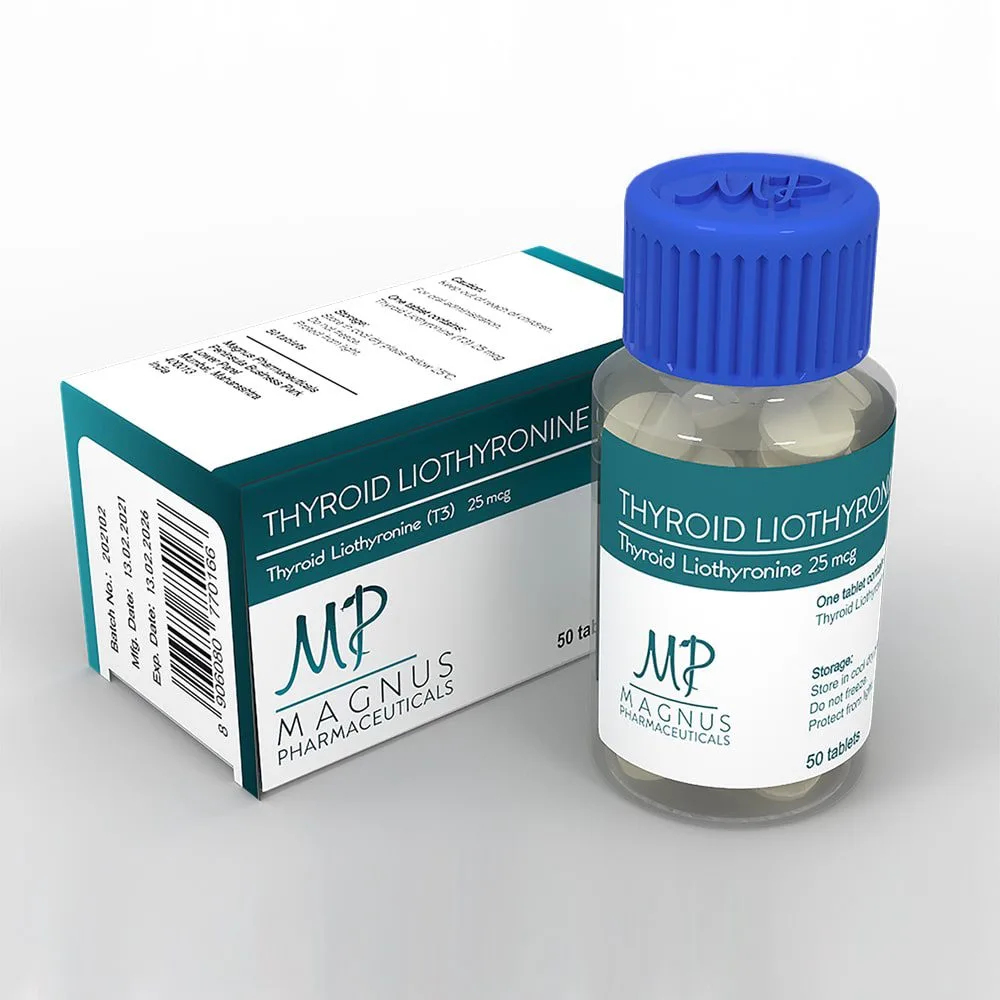
Liothyronine is a synthetic thyroid hormone, classified as a Fat Burner / Thermogenic compound. Primarily utilized for research into metabolic rate regulation and body composition modification, liothyronine functions as an active form of T3. Athletes typically use it during cutting phases to counteract the metabolic slowdown associated with caloric restriction and maintain muscle mass. Users report that brands like Pharmacom and Magnus offer formulations commonly employed in these contexts. It’s crucial to understand this compound is potent and requires careful consideration due to its impact on thyroid function.
Drug Class
Fat Burner / Thermogenic
All Products
1 products
Legal status
Research compound (not FDA approved)
All Products — liothyronine
How Liothyronine Works
Liothyronine, or T3, directly impacts cellular metabolism by binding to thyroid hormone receptors in nearly every cell within the body. This action increases basal metabolic rate (BMR), leading to enhanced thermogenesis and fat oxidation. It also influences protein synthesis and breakdown, potentially aiding muscle preservation during hypocaloric states. Unlike T4 (thyroxine), T3 is the more biologically active form of thyroid hormone; it doesn’t require conversion in peripheral tissues. This direct action explains its quicker onset and stronger effects on metabolic processes. Research suggests that liothyronine also affects sympathetic nervous system activity, contributing to increased energy expenditure.
Typical Research Applications
Liothyronine is most frequently researched for its effects during cutting cycles. Athletes typically run it alongside anabolic compounds to mitigate the catabolic impact of reduced caloric intake and maintain lean muscle tissue. While less common, some users report utilizing liothyronine in recomping phases with carefully managed diets to enhance fat loss while simultaneously promoting muscle gain. It’s not generally used during bulking cycles due to its potential to increase water retention. Post-cycle therapy (PCT) is not directly indicated for liothyronine use, but managing thyroid function post-cycle is essential if endogenous T3 production has been suppressed.
Dosage Ranges + Cycle Length
Advanced users typically initiate liothyronine cycles at 25 mcg/day, increasing incrementally by 12.5-25 mcg every few days to a maximum of 75-100 mcg/day. Intermediate athletes may start at 12.5 mcg/day and titrate upwards. Cycle lengths generally range from 4–8 weeks, with frequent bloodwork monitoring recommended to assess thyroid hormone levels (T3, T4, TSH). A common protocol involves a step-down approach during the final week of the cycle to minimize potential rebound effects. It's crucial to note that individual responses vary significantly; careful titration based on physiological markers is paramount.
Side Effects + Safety Considerations
Users report common side effects including increased heart rate, anxiety, insomnia, and excessive sweating. Hepatotoxicity is not a primary concern with liothyronine, but prolonged or excessive use may strain the cardiovascular system. It’s vital to have baseline bloodwork performed prior to commencing a cycle, followed by regular monitoring throughout its duration. Liothyronine can suppress endogenous T3 production; therefore, careful management of thyroid hormone levels post-cycle is critical. Age 21+ only. A PCT protocol specifically targeting thyroid function may be necessary for some individuals. Drug interactions with stimulants should be avoided.
Mechanism of action
Liothyronine binds to thyroid hormone receptors in cells, increasing basal metabolic rate, enhancing thermogenesis, influencing protein metabolism, and impacting sympathetic nervous system activity.
Also known as
T3Liothyronine SodiumL‑T3
Questions & answers
What are the primary uses of liothyronine?
Liothyronine is primarily researched for its effects on metabolic rate and body composition, particularly during cutting phases to counteract caloric restriction.
Is a PCT necessary after a Liothyronine cycle?
PCT isn’t directly required but monitoring thyroid hormone levels post-cycle is crucial to ensure endogenous T3 production recovers adequately.
What are the typical dosage ranges for liothyronine?
Advanced users typically run 25–100 mcg/day, while intermediate athletes may start at 12.5 mcg/day and titrate upwards based on response.
Are there any common side effects associated with Liothyronine use?
Commonly reported side effects include increased heart rate, anxiety, insomnia, and excessive sweating; cardiovascular strain is a potential concern.
How often should bloodwork be conducted during a cycle?
Frequent bloodwork monitoring – at least every 1–2 weeks – is recommended to assess thyroid hormone levels (T3, T4, TSH) and ensure safe usage.
Related fat burner / thermogenics
Cardarine
Cardarine is the active compound in 1 product in the PoseidonRX catalogue (also known as E…
View →Clenbuterol
Clenbuterol is the active compound in 5 products in the PoseidonRX catalogue (also known a…
View →Clenbuterol Hydrochloride
Clenbuterol Hydrochloride is the active compound in 1 product in the PoseidonRX catalogue …
View →drostanolone
drostanolone is the active compound in 1 product in the PoseidonRX catalogue (also known a…
View →