
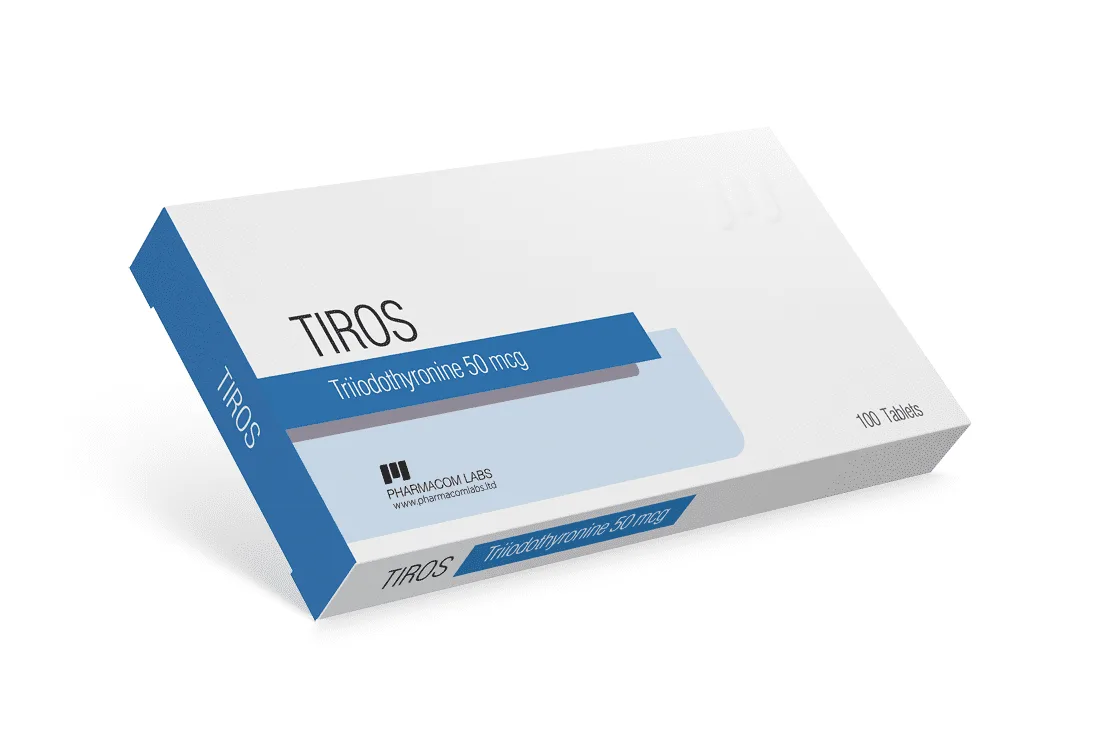
Fat Burner / Thermogenic
Triiodothyronine
Triiodothyronine (T3), often referred to as Liothyronine Sodium, is a synthetic form of the thyroid hormone. Classified as a Fat Burner / Thermogenic, it’s primarily investigated for its potential effects on metabolic rate and body composition. Users report employing T3 during cutting phases to counteract the metabolic slowdown commonly associated with caloric restriction. While naturally produced by the thyroid gland, research applications often utilize pharmaceutical-grade versions like Cytomel® or generic liothyronine formulations from manufacturers such as Pharmacom and Magnus. It's important to understand that T3 is a potent hormone requiring careful consideration and responsible use.
Drug Class
Fat Burner / Thermogenic
All Products
1 products
Legal status
Research compound (not FDA approved)
All Products — Triiodothyronine
How Triiodothyronine Works
Triiodothyronine primarily functions by increasing basal metabolic rate (BMR). It binds to thyroid hormone receptors in cells throughout the body, stimulating gene transcription and influencing protein synthesis. This process leads to increased oxygen consumption and heat production, contributing to enhanced fat oxidation. Users report that T3 also impacts carbohydrate metabolism and can influence muscle protein breakdown. The compound’s effects are mediated by its conversion from thyroxine (T4) within peripheral tissues; however, direct T3 supplementation bypasses this conversion step, resulting in a more potent and rapid effect. It's crucial to note the impact on thyroid function and potential for disruption of natural hormone balance.
Typical Research Applications
Triiodothyronine is most commonly investigated during cutting cycles to preserve lean mass while promoting fat loss. Athletes typically run T3 alongside a calorie-controlled diet and resistance training program. Some researchers explore its use in conjunction with anabolic compounds to mitigate metabolic adaptation. While less frequent, applications also include research into overcoming plateaus in weight loss or investigating the effects of thyroid hormone on body composition. It is rarely used during bulking phases due to potential impacts on cortisol levels. Post-cycle therapy (PCT) considerations are essential when using T3, as it can suppress endogenous thyroid hormone production.
Dosage Ranges + Cycle Length
For research purposes, experienced users typically start with 25 mcg/day, increasing gradually in increments of 12.5–25 mcg every few days based on individual response and tolerance. A common dosage range for intermediate users is 75-100 mcg/week, divided into daily doses. Advanced researchers may utilize up to 150 mcg/week, but this requires careful monitoring. Cycle lengths typically range from 6–8 weeks, followed by a gradual taper over 2–4 weeks to minimize suppression of the natural thyroid axis. Blood work is vital before, during and after cycle to monitor T3, T4, TSH, and cortisol levels. It's critical to note that individual responses vary significantly.
Side Effects + Safety Considerations
Users report potential side effects including increased heart rate, anxiety, insomnia, tremors, and sweating. Hepatotoxicity is a concern with prolonged or excessive use; liver enzyme monitoring is essential. Suppression of endogenous thyroid hormone production is a significant risk, necessitating the use of a PCT protocol incorporating T4 supplementation in some cases. Triiodothyronine should only be used by individuals over the age of 21 and who are in good health. Pre-existing cardiovascular conditions or hyperthyroidism are contraindications. Regular blood work to assess thyroid function is non-negotiable. It's crucial to avoid combining T3 with other stimulants.
Mechanism of action
Triiodothyronine (T3) increases basal metabolic rate by binding to thyroid hormone receptors, stimulating gene transcription, enhancing protein synthesis, oxygen consumption, and heat production, ultimately impacting carbohydrate metabolism and fat oxidation.
Also known as
Liothyronine Sodium (generic)Liothyronine Tablets (generic)Liotrix (combined T4/T3)Thyroid Hormone (T3) tabletsCytomel® alternative brands: liothyronine (generic)
Questions & answers
What is the typical cycle length for Triiodothyronine?
Cycle lengths typically range from 6–8 weeks, followed by a gradual taper over 2–4 weeks to minimize suppression of the natural thyroid axis.
Is a PCT necessary after using Triiodothyronine?
Post-cycle therapy (PCT) is often recommended following a T3 cycle to help restore endogenous thyroid hormone production. This may involve T4 supplementation and careful monitoring of thyroid levels.
What are the key side effects associated with Triiodothyronine use?
Potential side effects include increased heart rate, anxiety, insomnia, tremors, and sweating. Hepatotoxicity is a concern with prolonged or excessive usage.
How does Triiodothyronine affect metabolism?
Triiodothyronine increases basal metabolic rate (BMR) by binding to thyroid hormone receptors in cells throughout the body, stimulating gene transcription and influencing protein synthesis.
Is it safe to combine Triiodothyronine with other compounds?
Combining T3 with other stimulants is generally discouraged due to the potential for additive effects on heart rate and anxiety. It's best to avoid such combinations.
Related fat burner / thermogenics
Cardarine
Cardarine is the active compound in 1 product in the PoseidonRX catalogue (also known as E…
View →Clenbuterol
Clenbuterol is the active compound in 5 products in the PoseidonRX catalogue (also known a…
View →Clenbuterol Hydrochloride
Clenbuterol Hydrochloride is the active compound in 1 product in the PoseidonRX catalogue …
View →drostanolone
drostanolone is the active compound in 1 product in the PoseidonRX catalogue (also known a…
View →