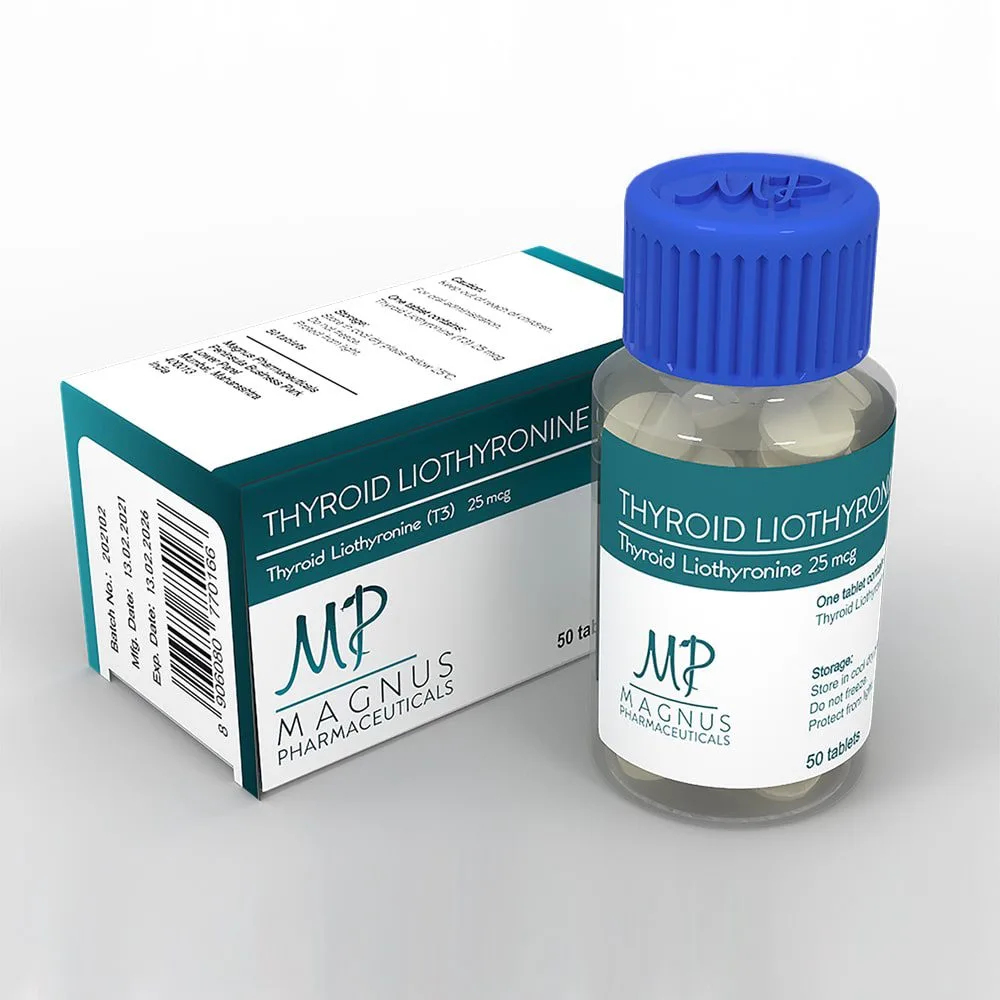
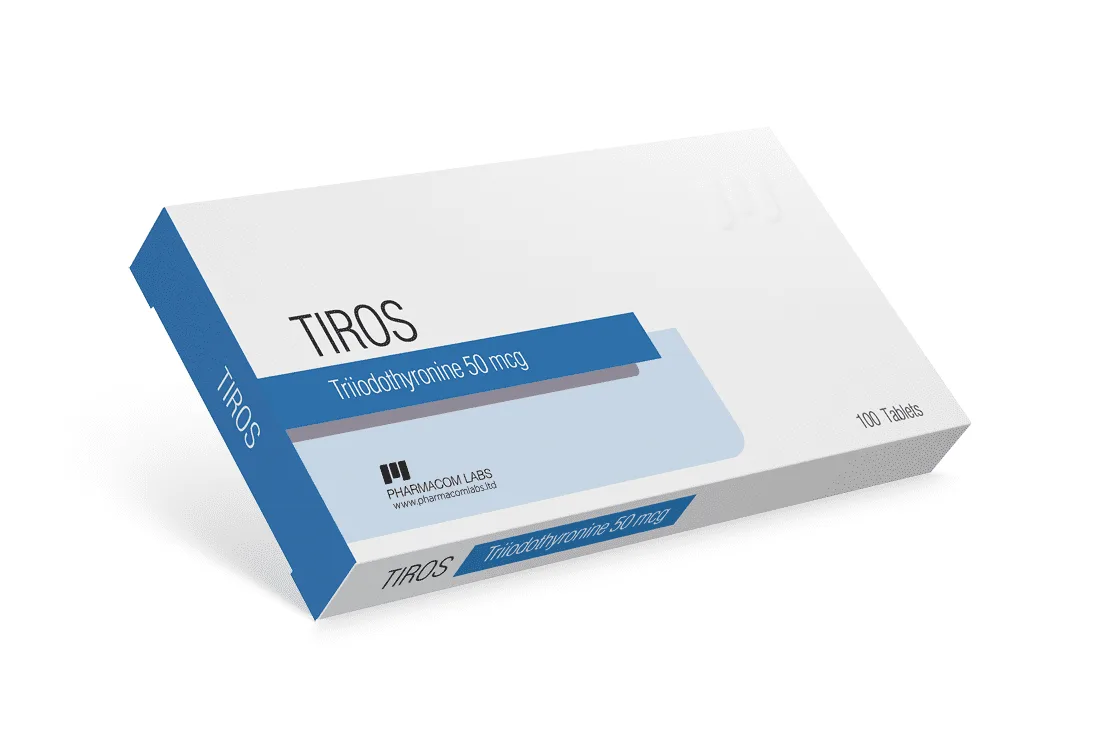
Magnus Cytomel contains Liothyronine (T-3), a potent thyroid hormone used as a research compound primarily within the fat burner/thermogenic category. Researchers utilize T-3 to investigate its effects on metabolic rate and body composition. Each tablet delivers 25µg of pure T-3, offering precise dosing for studies into conditions like hypothyroidism or situations requiring targeted metabolic support. This bottle provides a one-month supply for consistent research protocols.
About Liothyronine & How it Works
Liothyronine (T-3) is the most active form of thyroid hormone. It directly impacts nearly every physiological process in the body, with a primary role in regulating metabolism. Users report that T-3 influences protein synthesis, fat oxidation, and carbohydrate metabolism. It’s synthesized by the thyroid gland and plays a crucial part in maintaining energy levels and proper organ function. Researchers often use it to study conditions where endogenous T-3 production is insufficient. The compound binds to thyroid hormone receptors in cells, increasing gene transcription for metabolic processes.
Key Benefits (Reported)
Users report that Liothyronine may support increased metabolic rate, leading to enhanced fat loss. Some researchers observe improvements in energy levels and mental clarity during investigations into hypothyroidism. It's also studied for its potential to counteract the effects of reduced thyroid function post-thyroidectomy or due to autoimmune conditions. According to bodybuilding-community protocols, T-3 is frequently used as a short-term tool to overcome metabolic plateaus. It’s important to note that these benefits are observed within controlled research settings and individual responses may vary.
- Potential for increased thermogenesis
- May improve energy expenditure
- Studied in conditions of hypothyroidism
- Can be used to investigate metabolic rate regulation
Stacking & Pairing (Research Use)
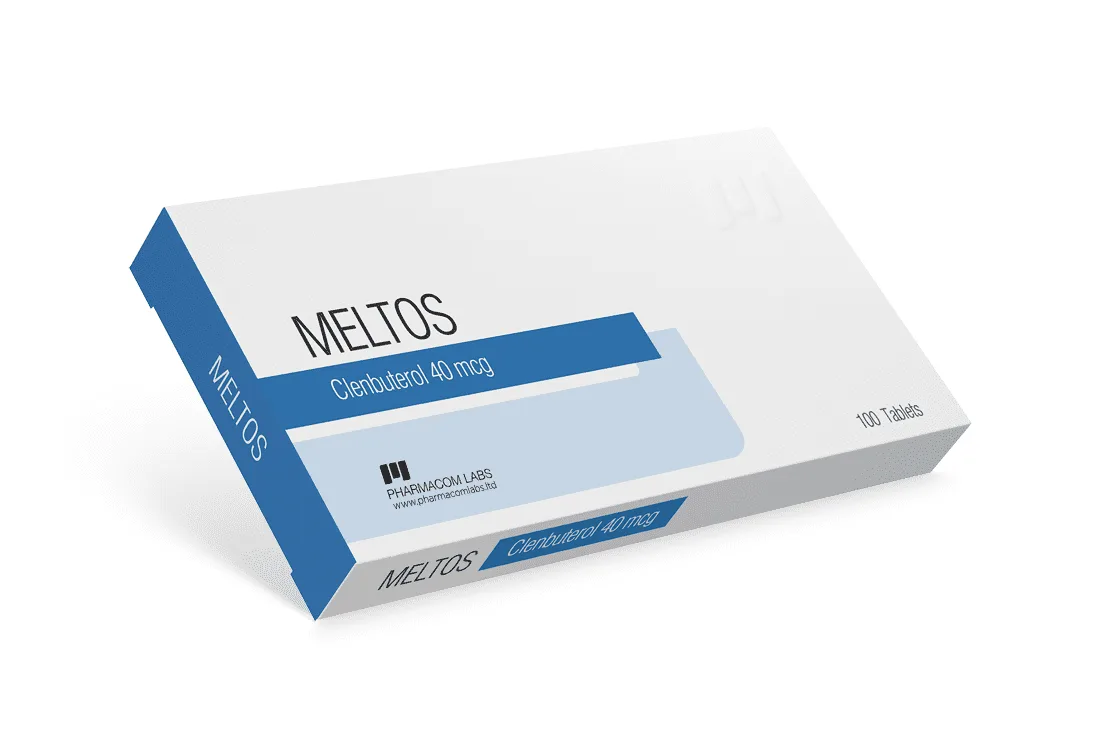
Liothyronine is rarely stacked with other compounds due to its potent effects on metabolism. However, researchers sometimes combine it with Clenbuterol for synergistic fat-burning investigations. Users report that combining T-3 with SARMs may enhance the thermogenic effect, but this practice requires careful monitoring and blood work. When investigating muscle retention during caloric restriction, some protocols include peptides like CJC-1295/IPAMORELIN alongside T-3. It's critical to understand that stacking increases complexity and potential side effects.
Safety & Side Effects
Users report potential side effects including increased heart rate, anxiety, insomnia, and tremors. Hepatotoxicity is less common with T-3 than anabolic steroids but remains a concern at higher doses or prolonged use. Athletes typically run a Post Cycle Therapy (PCT) protocol after using Liothyronine to help restore natural thyroid function. Regular blood work is essential to monitor thyroid hormone levels, heart health and liver enzymes. This product is intended for research purposes only and should not be used by individuals under the age of 21.
Questions & answers
What are typical drop points with Liothyronine?
Researchers often observe a noticeable increase in metabolic rate within 72 hours of initiating T-3 research. However, individual responses vary significantly.
Is a PCT necessary after a T-3 cycle?
Users report that while not always mandatory, a mild PCT protocol can help restore natural thyroid hormone production more efficiently and is recommended for cycles exceeding 4 weeks.
What are the common drug interactions with Liothyronine?
T-3 can interact with stimulants, blood thinners, and certain heart medications. Consult detailed pharmaceutical resources before commencing any research involving T-3.
How long should a T-3 cycle typically run for?
Athletes typically run cycles between 4–8 weeks, closely monitoring thyroid levels and adjusting dosage as needed based on blood work results.