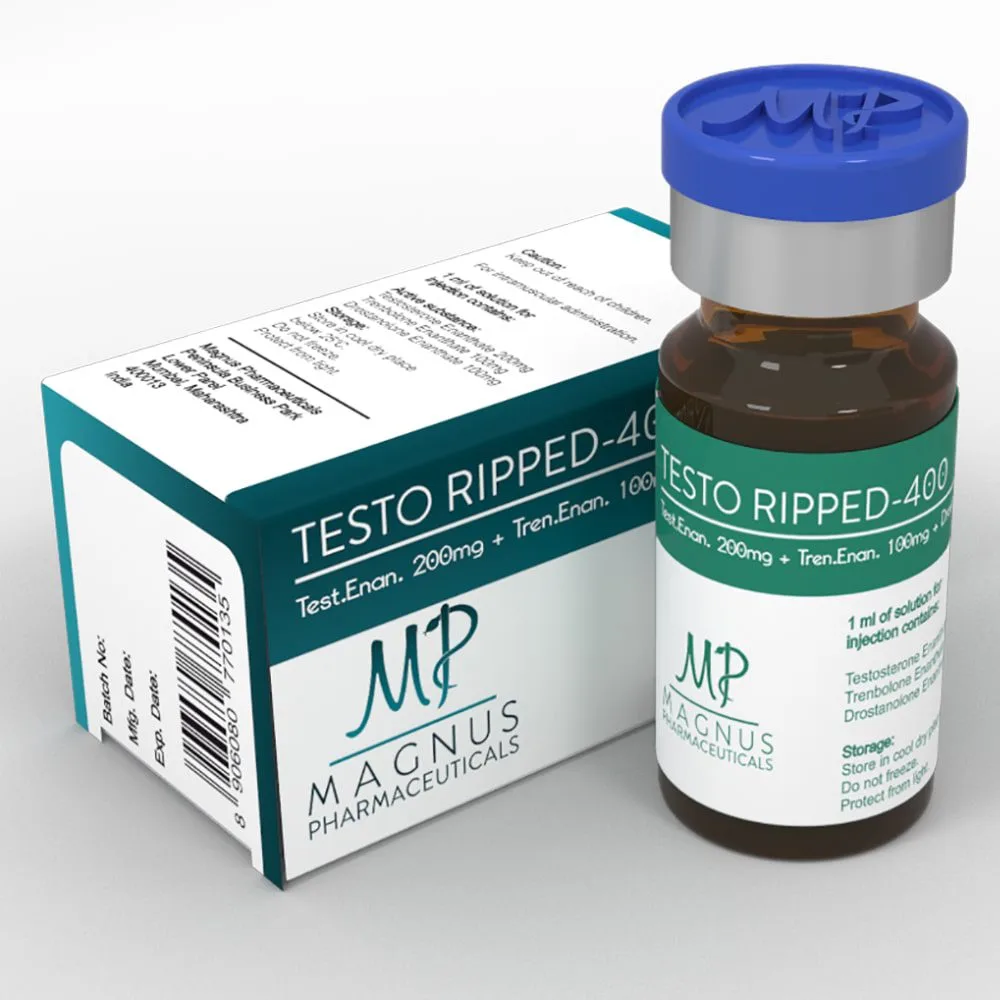
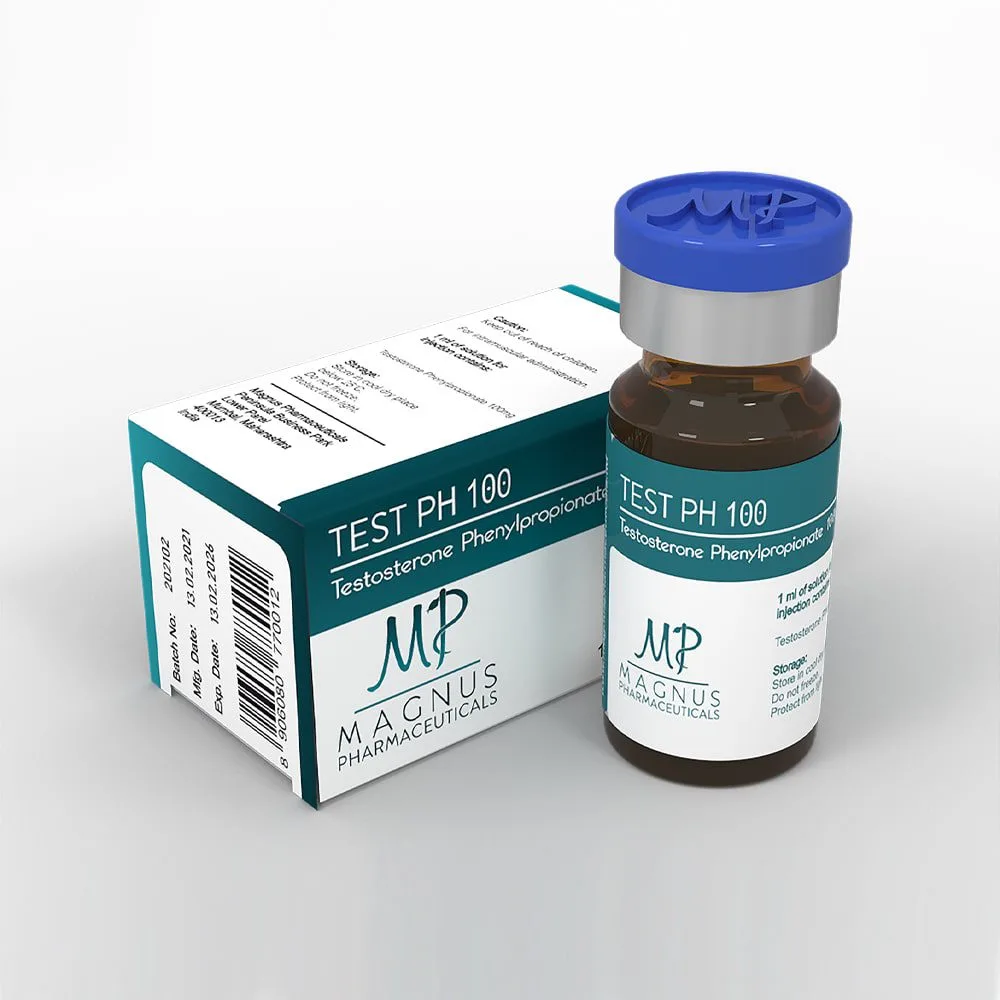
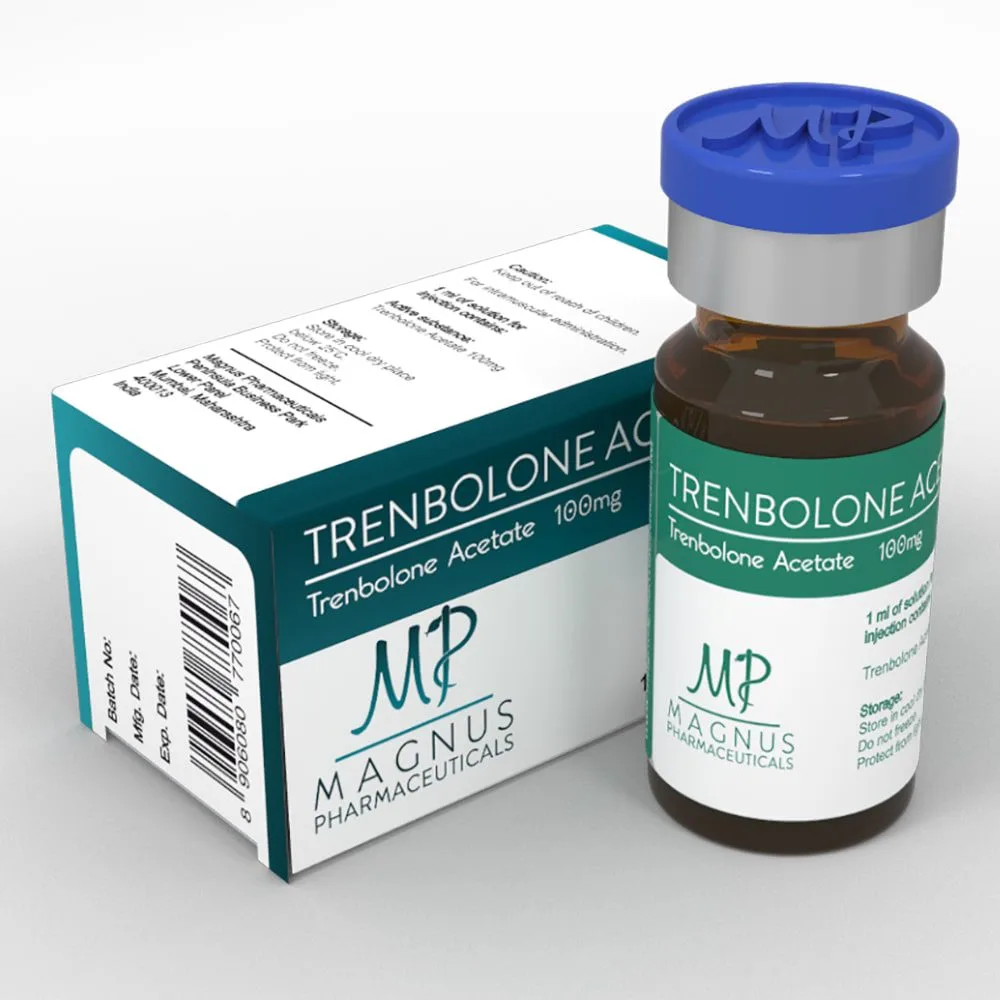
Testosterone Phenylpropionate from Magnus is an injectable anabolic steroid favoured by bodybuilders and strength athletes for its balance of rapid onset and manageable activity window. This compound, a potent form of testosterone, supports increased protein synthesis and nitrogen retention – key processes in muscle development. Users report that it’s well-suited to cycles requiring frequent administration, offering enhanced control over hormone levels. This product is intended for research and educational purposes only.
About Testosterone Phenylpropionate
Testosterone Phenylpropionate (TPP) is an ester of testosterone, meaning it’s chemically modified to control the rate at which it's released into the body after injection. The phenylpropionate ester results in a faster release compared to longer-chain esters like enanthate or cypionate. Users report that this leads to quicker onset of effects but also necessitates more frequent injections – typically every other day, or three times per week, to maintain stable blood levels. TPP binds strongly to the androgen receptor, promoting protein synthesis, increased muscle mass, and enhanced recovery. It’s a versatile compound often used as the base in complex cycles.
Key Benefits for Research
Bodybuilding-community protocols suggest that Testosterone Phenylpropionate may offer several benefits when incorporated into a well-structured research plan. Users report noticeable increases in strength and muscle mass, alongside improved recovery times between training sessions. The relatively short ester allows for quick adjustments to dosing based on observed effects. The compound also supports enhanced nitrogen retention, crucial for anabolism. Compared to longer esters, TPP is often favoured by athletes seeking a more ‘dry’ physique with minimal water retention.
- Supports increased protein synthesis
- Promotes positive nitrogen balance
- May lead to gains in strength and muscle mass
- Allows for frequent dosing adjustments
- Reduced fluid retention compared to longer esters
Stacking and Pairing Options
Testosterone Phenylpropionate is frequently combined with other research compounds to achieve specific goals. Athletes typically run it alongside Trenbolone Acetate for synergistic gains in muscle mass and strength, though this combination requires careful monitoring due to the potency of both substances. Pairing TPP with Primobolan or Anavar can enhance its anabolic effects while minimizing androgenic side effects. For bulking cycles, a combination with Dianabol is sometimes employed; however, this significantly increases the risk of hepatotoxicity. Always prioritize research and educational purposes when considering any compound pairing.
Safety & Side Effects
As with all anabolic steroids, Testosterone Phenylpropionate carries potential side effects. Users report that common side effects include acne, hair loss (in genetically predisposed individuals), and increased aggression. More serious risks encompass cardiovascular strain, hepatotoxicity (though less pronounced than with oral compounds), and suppression of natural testosterone production. Post-Cycle Therapy (PCT) is essential to restore hormonal balance after cycle completion. Regular blood work is strongly recommended to monitor liver function, cholesterol levels, and hormone status. This product is for age 21+ use only.
Questions & answers
What is TRT?
Testosterone Replacement Therapy (TRT) involves administering testosterone to individuals with clinically low levels, aiming to restore optimal hormone balance.
Is 1 ml enough testosterone for a week?
Dosage varies significantly based on individual factors and the ester used. With TPP, 1ml/week is generally insufficient to maintain stable blood levels; more frequent injections are required.
What is the best dose for Testosterone replacement therapy?
Optimal TRT dosage depends on individual needs determined through medical evaluation and regular blood work monitoring.
What are the issues with large dosing in TRT?
Large doses of testosterone can lead to side effects such as increased estrogen conversion, water retention, and suppression of natural hormone production.