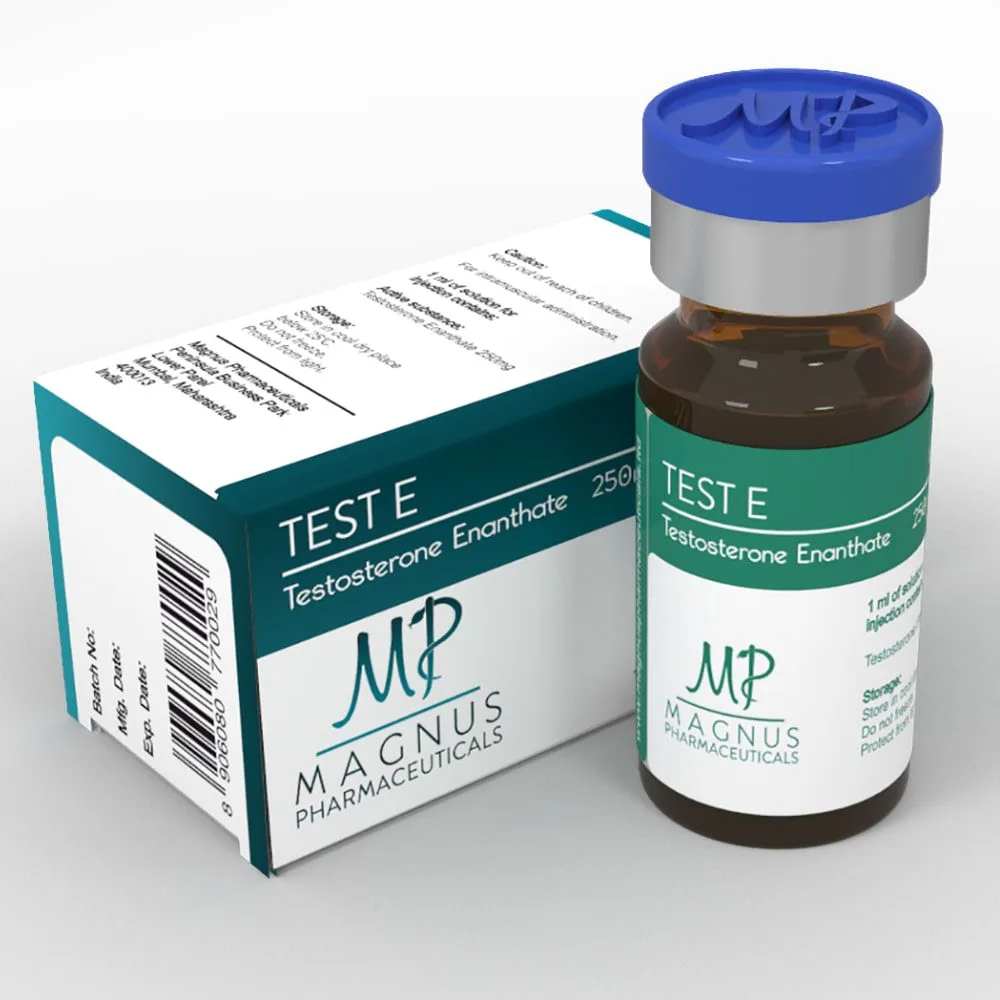
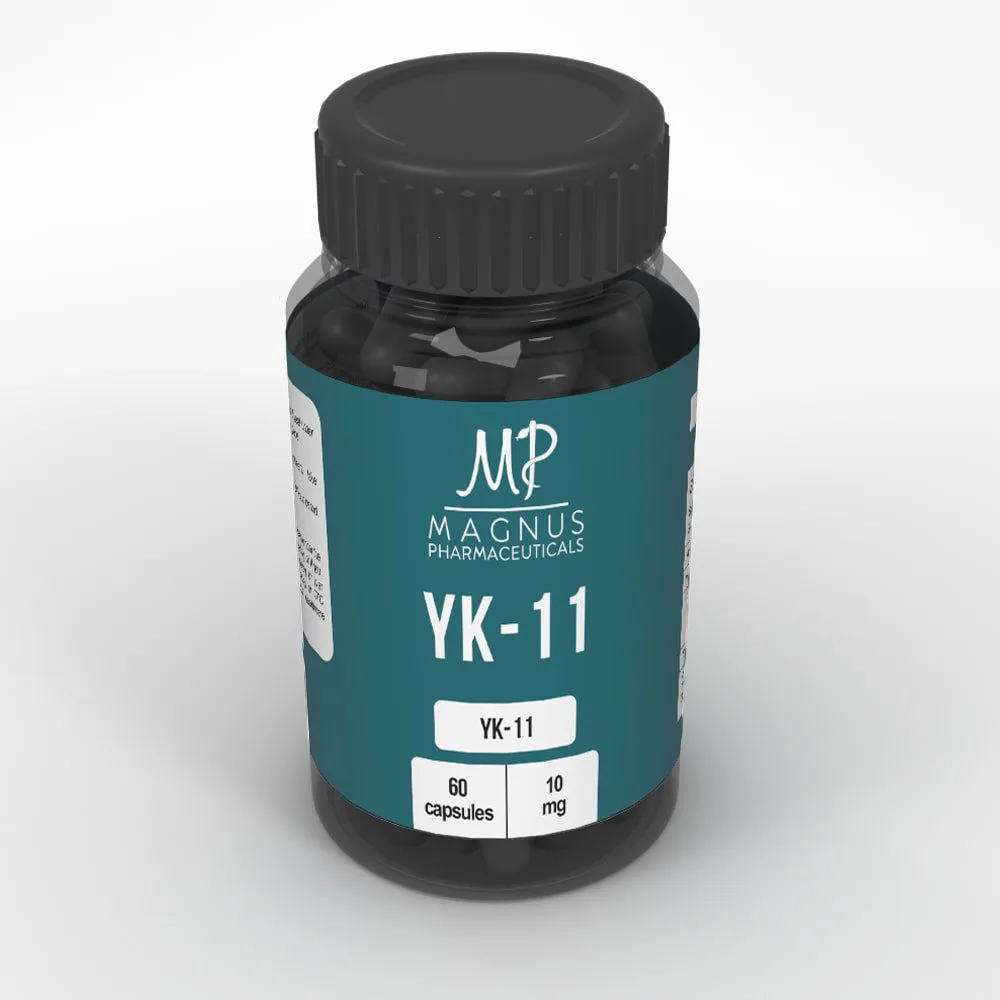
Magnus Testosterone Enanthate is a pharmaceutical-grade anabolic steroid in injectable form, designed for experienced athletes and performance researchers seeking to understand the effects of testosterone supplementation. This compound delivers 250mg/10ml of pure Testosterone Enanthate USP grade, providing a sustained release profile suitable for cycles lasting several weeks. Users typically utilize this product to support muscle mass gains, strength improvements, and recovery optimization.
About Testosterone Enanthate
Testosterone Enanthate is a long-acting testosterone ester commonly used in research settings for its ability to elevate androgen levels. Upon injection, it slowly releases testosterone into the bloodstream over approximately 8 days, maintaining stable concentrations for up to two to three weeks. This makes it ideal for protocols requiring infrequent administration. It functions by binding to androgen receptors throughout the body, promoting protein synthesis and influencing various physiological processes. The compound is typically synthesized as a clear oil solution for intramuscular injection.
Key Benefits (Reported)
Users report that Testosterone Enanthate may contribute to increased muscle mass and strength, particularly when combined with appropriate training and nutrition. It can also enhance recovery rates between workouts by reducing muscle damage and inflammation. Athletes typically run this compound during periods of intense training or when seeking to overcome plateaus. Some users also report improvements in libido and overall sense of well-being; however, individual responses vary considerably.
- Potential for increased lean muscle mass
- Reported strength gains
- May improve recovery time
- Stable blood levels with less frequent injections
- Suitable for longer cycle durations
Stacking and Pairing Protocols
Testosterone Enanthate is frequently combined with other research compounds to achieve specific goals. A common pairing involves stacking it with Trenbolone Enanthate for synergistic anabolic effects, although this combination requires advanced experience due to increased androgenic activity. Other protocols include combining it with Masteron (Drostanolone) to enhance definition and hardness or Primobolan for a more moderate anabolic effect. Stack complexity should be carefully considered based on individual goals and tolerance. Researchers often incorporate aromatase inhibitors when stacking to manage estrogen levels.
Safety Considerations & Potential Side Effects
Testosterone Enanthate, like all anabolic steroids, can impact the hypothalamic-pituitary-gonadal axis (HPTA), leading to natural testosterone suppression. Therefore, a Post Cycle Therapy (PCT) protocol is strongly recommended following cycle completion to restore hormonal balance. Users should be aware of potential side effects such as acne, hair loss, gynecomastia, and changes in libido. Hepatotoxicity is not typically associated with Testosterone Enanthate itself, but liver support supplements may be considered when combined with oral compounds. Regular blood work is crucial for monitoring hormone levels, lipid profiles, and overall health. This product is intended for research purposes only and should not be used by individuals under 21 years of age.
Questions & answers
What is TRT?
Testosterone Replacement Therapy (TRT) involves administering testosterone to individuals with clinically low levels. It’s a medical treatment, distinct from performance-enhancing protocols.
Is 1 ml enough testosterone for a week?
Dosage varies greatly based on individual needs and the specific ester used. For Testosterone Enanthate, 1ml (250mg) is often a weekly dose for certain protocols; however, this should be determined by research goals.
What are the issues with large dosing in TRT?
Excessive testosterone dosages can lead to unwanted side effects such as estrogen conversion, water retention, and suppression of natural hormone production.
Optimal Testosterone Levels?
Normal testosterone ranges vary. Optimal levels for research purposes depend on individual goals and protocols; blood work is essential to determine appropriate concentrations.