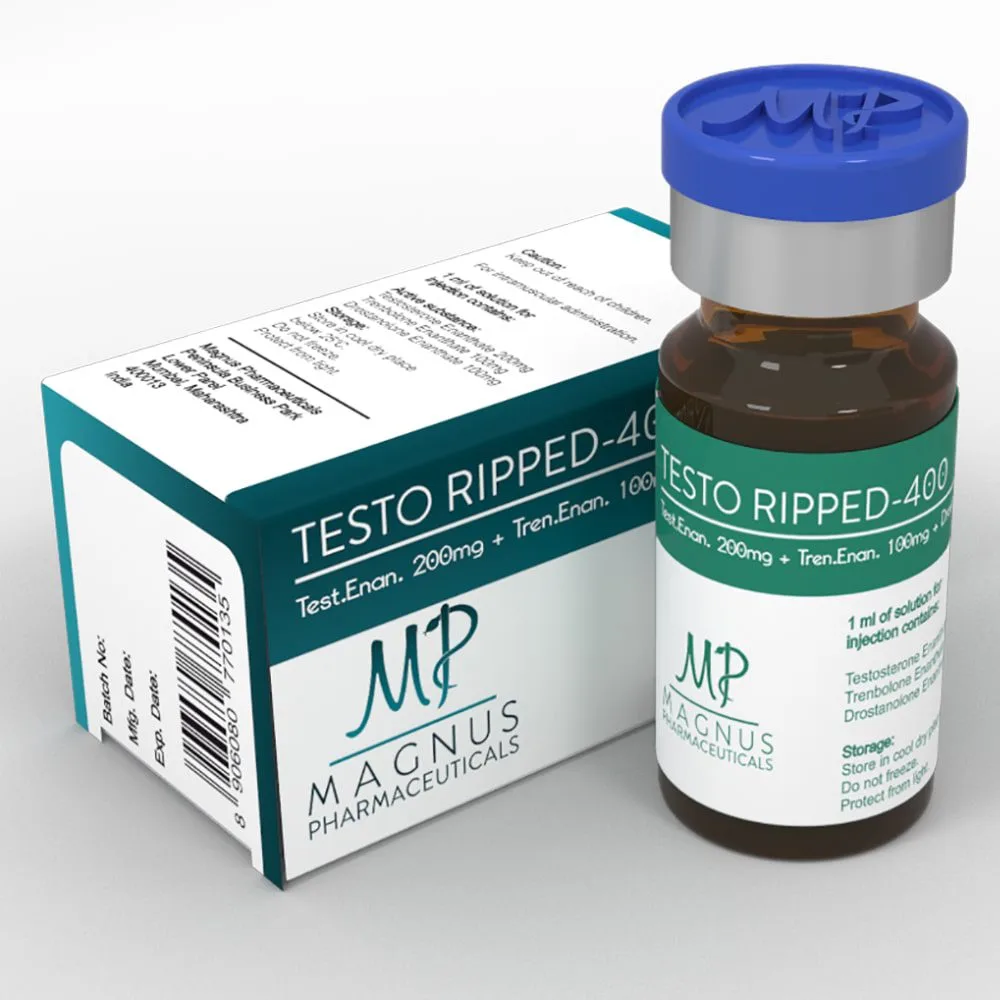
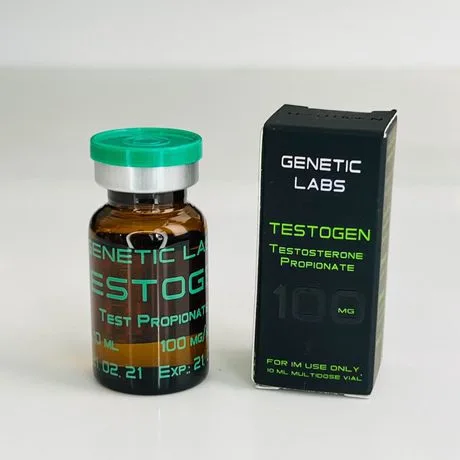
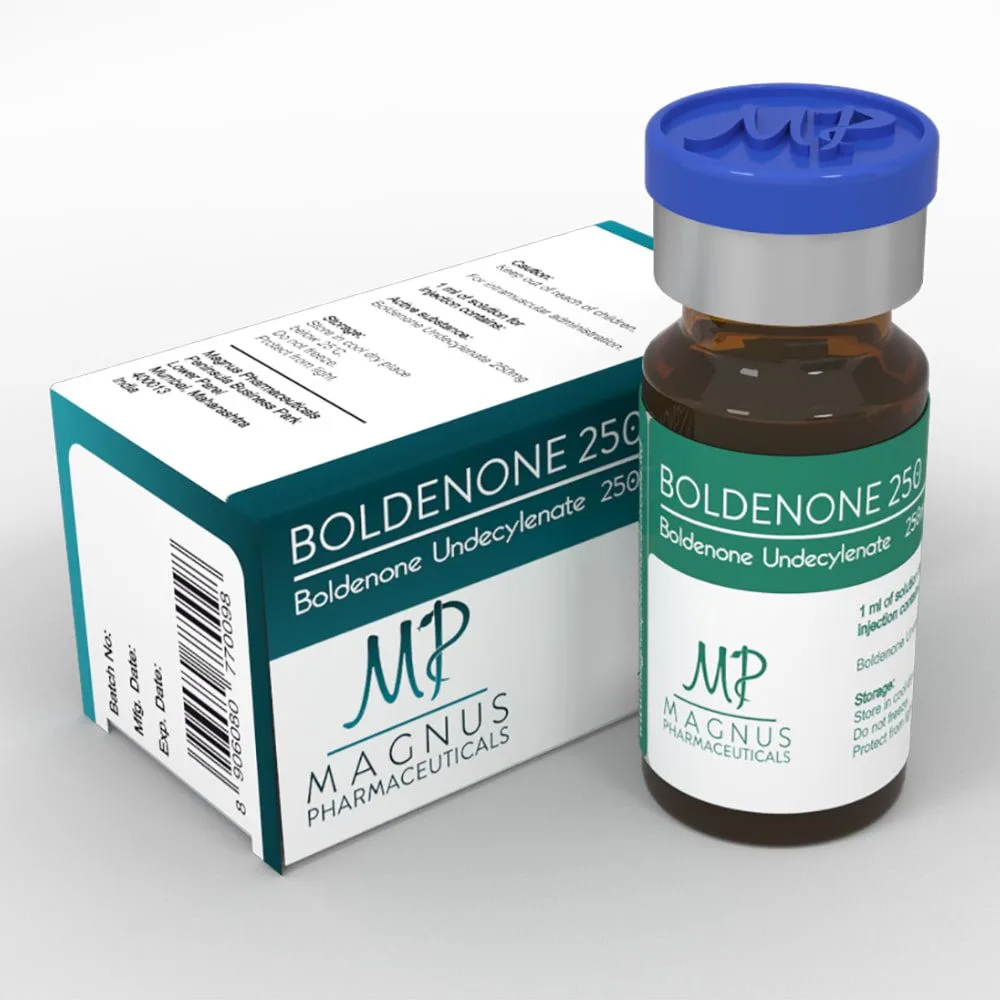
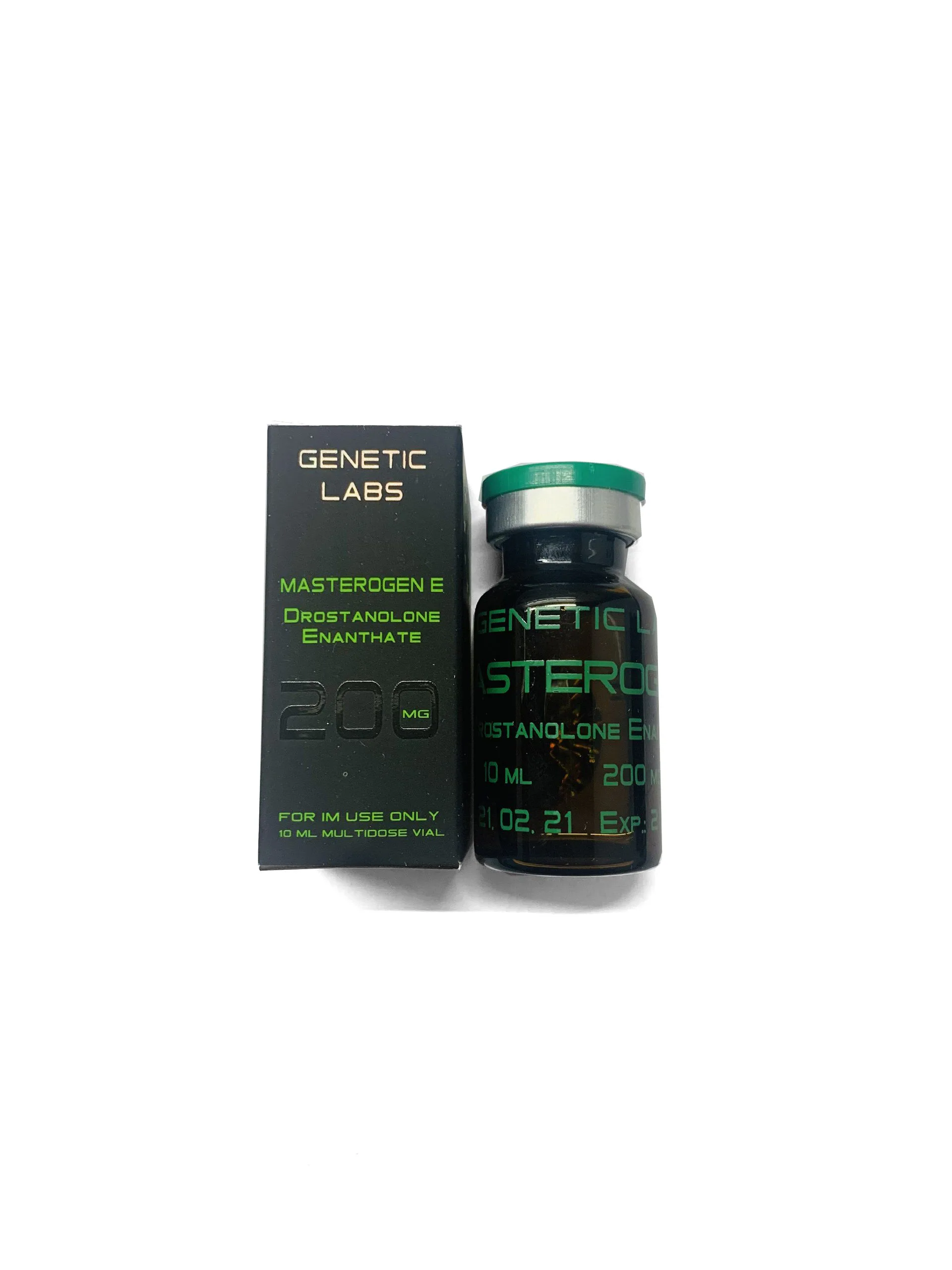
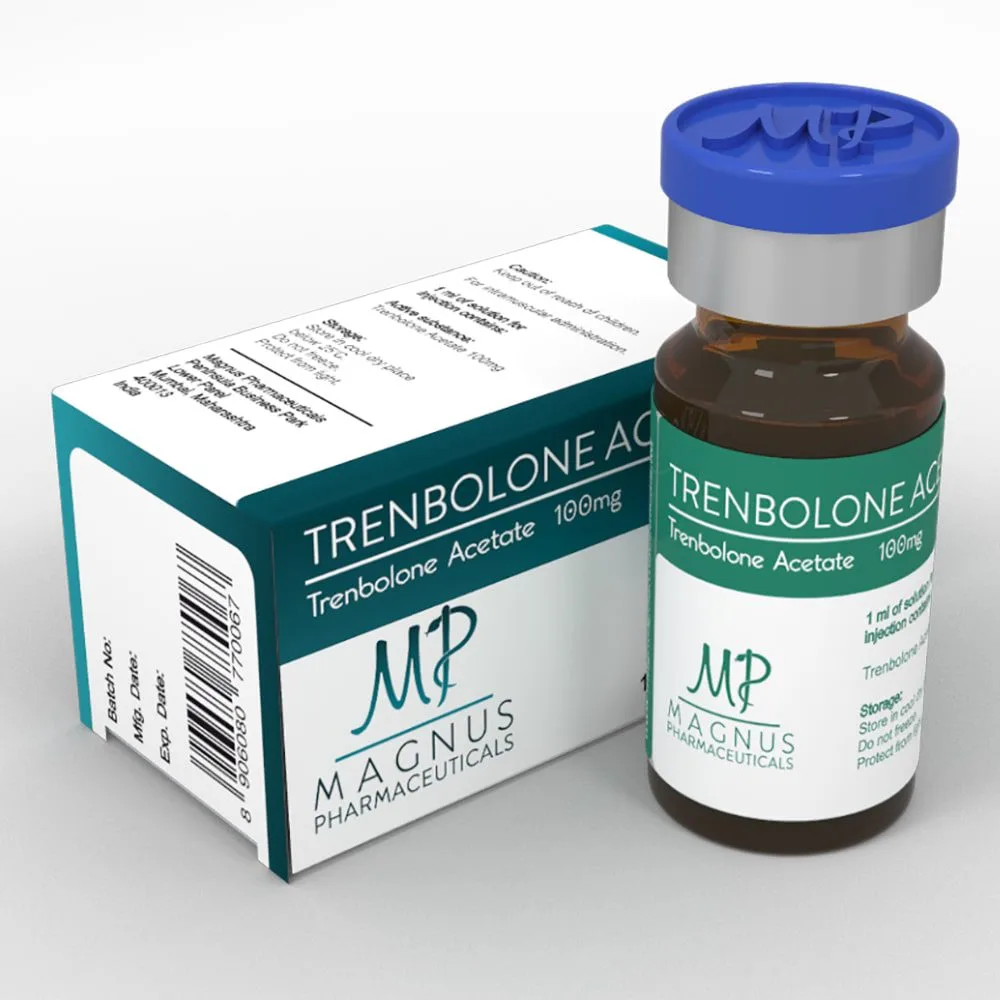
Genetic Labs Testogen 10 ml/100 mg is a synthetic testosterone propionate, categorized as an injectable anabolic steroid. This product is designed for research and educational purposes by individuals seeking to understand the effects of testosterone on muscle growth, recovery, and athletic performance. Users report that Testogen may support increased lean mass and improved metabolic rate during intense training cycles.
About Testosterone Propionate & Mechanism of Action
Testosterone propionate is a fast-acting ester of testosterone, meaning it quickly releases the hormone into the bloodstream after injection. This characteristic makes it popular amongst users seeking rapid results and precise control over hormonal levels. The compound works by binding to androgen receptors in muscle tissue, promoting protein synthesis and nitrogen retention – key processes for muscle growth. It also influences red blood cell production and can impact bone density. According to bodybuilding-community protocols, the effects are typically noticeable within a relatively short timeframe compared to longer-estered testosterones.
Testosterone propionate's quick clearance rate necessitates more frequent injections (typically every other day) to maintain stable blood levels. It’s crucial to understand that individual responses can vary significantly depending on factors like genetics, diet, and training intensity.
Key Benefits for Research Purposes
Users report a range of potential benefits when employing Testosterone Propionate in research settings. Increased Lean Mass & Definition: Athletes typically run cycles to promote muscle protein synthesis, leading to gains in lean mass while minimizing water retention. Enhanced Fat Burning: The compound may boost metabolic rate, aiding fat loss during caloric restriction and intense training periods. Improved Endurance & Strength: Many users report sustained energy levels for high-intensity workouts. Some studies suggest a positive correlation with bone density, joint health, and cardiovascular function through hormonal balance.
It is important to note these are observations reported within the bodybuilding community; individual results will vary. Testosterone Propionate should be approached as part of a comprehensive research protocol that includes careful monitoring and appropriate support supplementation.
- May increase muscle protein synthesis.
- Can contribute to fat loss when combined with diet and exercise.
- Reported improvements in energy levels and recovery time.
- Potential positive effects on bone density (research-based).
Stacking & Pairing for Research
Testosterone Propionate is often paired with other research compounds to achieve specific goals. For bulking cycles, users report combining it with substances like Trenbolone Acetate or Anadrol to amplify muscle growth effects. However, these combinations also significantly increase the potential for side effects and require careful consideration of individual tolerance. For cutting cycles, stacking with Clenbuterol or Winstrol is sometimes employed to enhance fat loss; again, this requires advanced knowledge and monitoring.
Pairing with ancillary compounds like aromatase inhibitors (AIs) – such as Anastrozole – may be necessary to manage estrogen levels. Post-cycle therapy (PCT) is crucial after any testosterone cycle to restore natural hormone production. Always consult relevant research materials before combining compounds.
Safety & Side Effects
Testosterone Propionate, like all anabolic steroids, carries potential risks and side effects. Hepatotoxicity: While less hepatotoxic than oral steroids, it's still important to monitor liver function during cycles. Cardiovascular Strain: Users report potential increases in blood pressure and cholesterol levels; regular monitoring is essential. Other possible side effects include acne, hair loss (in genetically predisposed individuals), and mood swings.
PCT is mandatory after completing a Testosterone Propionate cycle to help restore natural testosterone production. It's recommended that users are age 21+ and have pre-existing bloodwork to assess baseline health. This product is for research purposes only, and should not be used without thorough understanding of the associated risks.
Questions & answers
What is TRT?
TRT (Testosterone Replacement Therapy) involves administering testosterone to individuals with clinically low levels, aiming to restore hormonal balance. It’s a medical intervention requiring diagnosis and monitoring by a qualified healthcare professional.
What are the issues with large dosing in TRT?
Large doses of testosterone can lead to unwanted side effects such as estrogen conversion, suppression of natural production, and potential cardiovascular complications. Maintaining physiological levels is crucial for safe TRT.
Is 1 ml enough testosterone for a week?
This depends on the concentration of the product (mg/ml) and individual dosage requirements. A typical dose for research purposes may require multiple injections per week to maintain stable blood levels; this is not a standard TRT protocol.
Optimal Testosterone Levels?
Normal testosterone levels vary based on age, genetics, and overall health. Optimal ranges are typically between 300-1000 ng/dL for men, but individual needs may differ. Bloodwork is essential to determine appropriate levels.