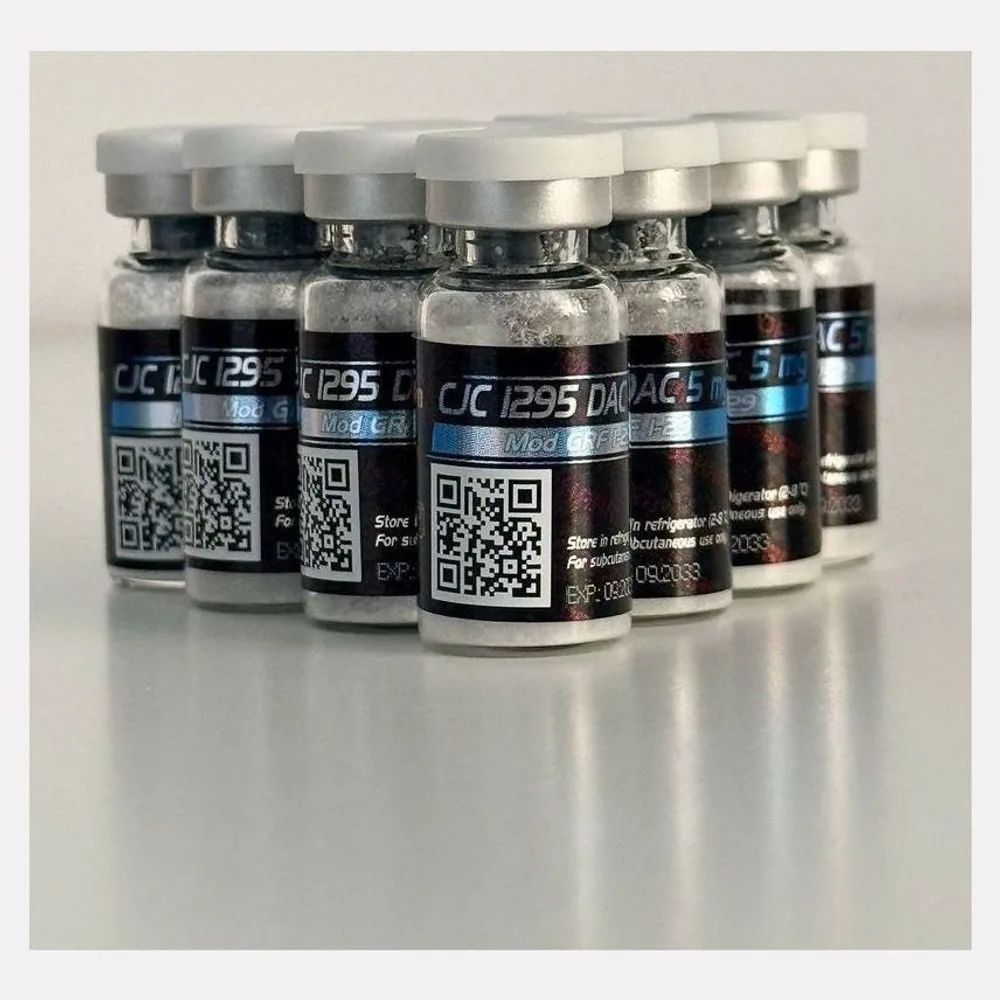
Genopharm CJC-1295 DAC is a modified Growth Hormone Releasing Hormone (GHRH) peptide designed for research and educational purposes. Unlike standard CJC-1295, this variant includes a Drug Affinity Complex (DAC) that binds to serum albumin, significantly extending the half-life from hours to several days. This pharmacokinetic shift allows for less frequent dosing while maintaining stable plasma levels. Athletes and researchers typically use this compound to study the modulation of endogenous growth hormone (GH) and IGF-1 secretion without the acute spikes associated with shorter-acting peptides. It is supplied as a lyophilized powder requiring reconstitution. Users often pair it with somatostatin antagonists to fine-tune the hormonal response. As with all research compounds, proper storage and handling are critical for maintaining peptide integrity and stability.
Mechanism of Action & DAC Structure
CJC-1295 with DAC functions by mimicking the action of Growth Hormone Releasing Hormone (GHRH). It binds to GHRH receptors on pituitary somatotrophs, stimulating the pulsatile release of endogenous growth hormone. The key differentiator is the Drug Affinity Complex, a cyclic amino acid sequence that binds with high affinity to serum albumin. This binding acts as a reservoir, slowly releasing the active peptide over time. Consequently, the half-life is extended to approximately 2-3 days, compared to the short duration of non-DAC variants. This pharmacokinetic profile supports steady-state concentrations, potentially reducing the frequency of injections required to maintain therapeutic levels in research protocols. The compound is administered via subcutaneous injection.
Reported Physiological Effects
Users in bodybuilding and performance research communities report several physiological adaptations associated with CJC-1295 DAC use. The primary mechanism involves the upregulation of IGF-1 production in the liver and peripheral tissues. Athletes typically note improved recovery rates and reduced muscle soreness following intense training sessions. There is also a common report of enhanced sleep quality, particularly during the deep sleep phases where natural GH pulses are highest. Some users report improved skin elasticity and joint comfort, attributed to the anabolic effects of GH on connective tissue. It is important to note that these are anecdotal reports from the community and not clinically guaranteed outcomes. Individual responses vary based on age, baseline hormonal status, and concurrent training volume.
Common Stacking Protocols
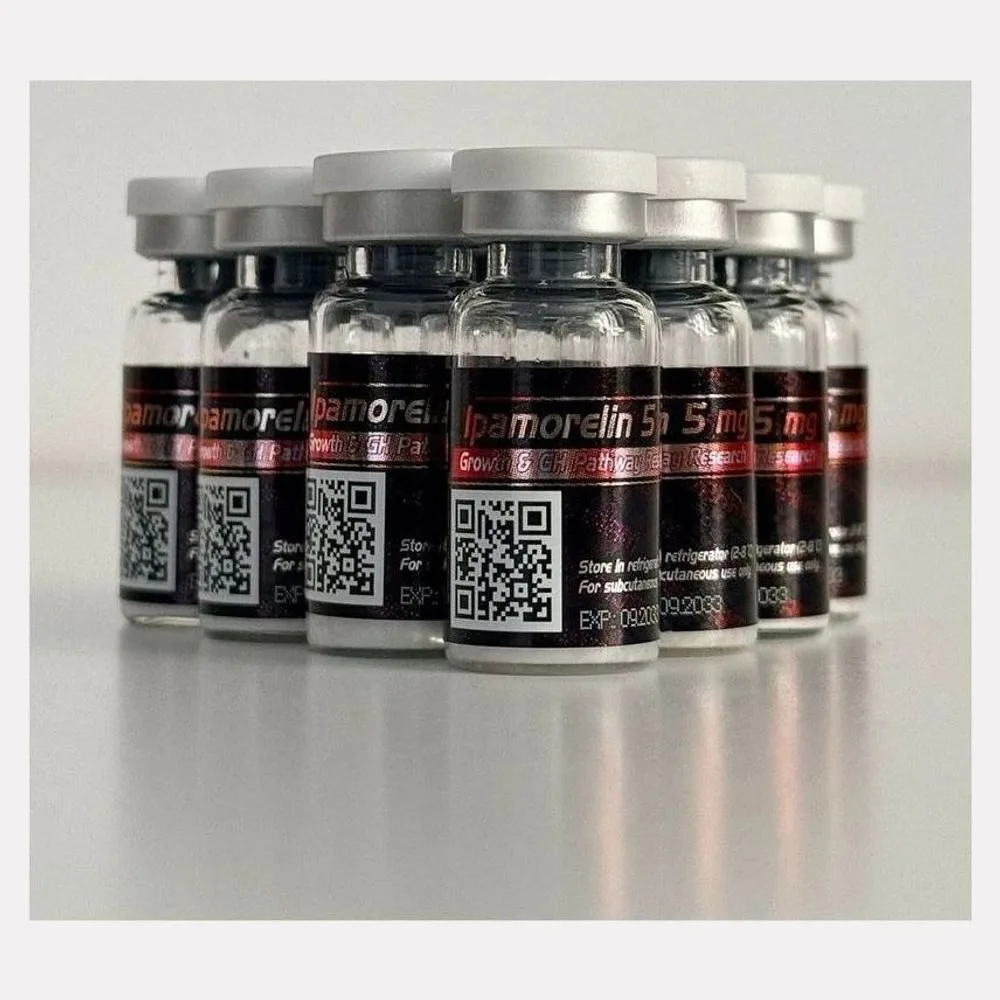
In research settings, CJC-1295 DAC is frequently stacked with other peptides to modulate specific hormonal pathways. A common pairing is with Ipamorelin, a selective growth hormone secretagogue. This combination aims to amplify GH release while potentially reducing the side effects associated with non-selective agents. Another popular stack includes Mod-GRF1a, which also features a DAC structure but offers a slightly different receptor binding profile. Some protocols combine CJC-1295 DAC with Sermorelin to target different aspects of the GH axis. When stacking, researchers typically adjust dosages to avoid excessive GH spikes. It is crucial to monitor blood work regularly when using multiple peptides to track IGF-1 levels and ensure they remain within safe parameters for the individual's research goals.
Safety Profile & Monitoring
While CJC-1295 DAC is generally well-tolerated, users must be aware of potential side effects. Commonly reported issues include water retention, which can lead to bloating and increased blood pressure. Hyperinsulinemia is a concern, as elevated GH levels can impair insulin sensitivity, potentially leading to insulin resistance. Users may also experience joint pain or carpal tunnel syndrome due to fluid retention in tissues. It is essential to monitor blood sugar levels and lipid profiles during use. Individuals with a history of diabetes, hypertension, or pre-existing tumors should exercise extreme caution, as GH can stimulate cell growth. Regular blood work, including IGF-1, glucose, and lipid panels, is strongly recommended for anyone conducting research with this compound.
Questions & answers
How often should CJC-1295 DAC be injected?
Due to its long half-life, users typically inject CJC-1295 DAC every 2 to 3 days. Some protocols suggest daily dosing for more stable levels, but the DAC structure allows for less frequent administration compared to non-DAC peptides.
Does CJC-1295 DAC require PCT?
No, CJC-1295 DAC does not suppress natural testosterone production. Therefore, Post Cycle Therapy (PCT) is not required. However, monitoring IGF-1 levels is recommended to ensure they do not exceed safe thresholds.
Can CJC-1295 DAC be stacked with SARMs?
Yes, many researchers stack CJC-1295 DAC with SARMs like Ostarine or Ligandrol. The peptide supports recovery and IGF-1 levels, potentially enhancing the anabolic environment. Monitor blood work closely when combining these compounds.
What is the best time to take CJC-1295 DAC?
Timing is less critical than with short-acting peptides due to the DAC structure. However, many users prefer injecting before bed to align with the natural nocturnal GH surge, potentially enhancing sleep quality and recovery.