
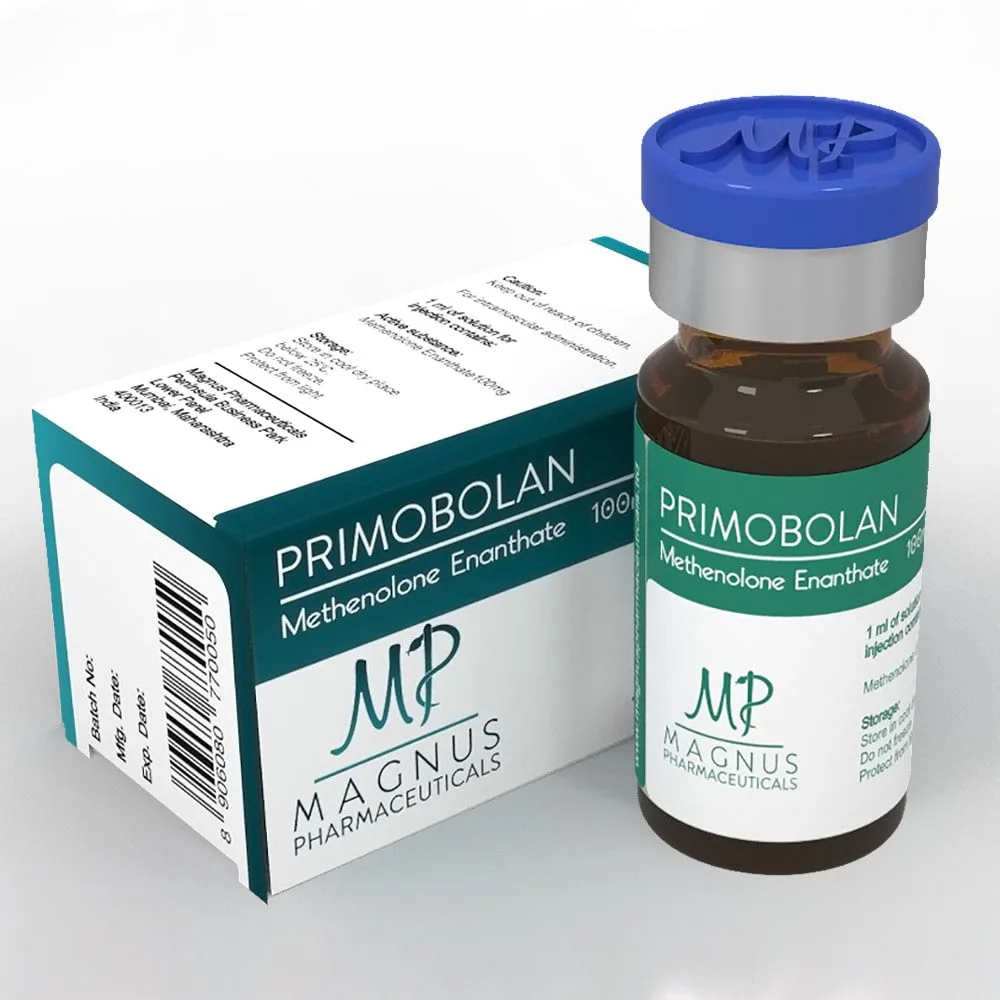
Also known as
Primobolan
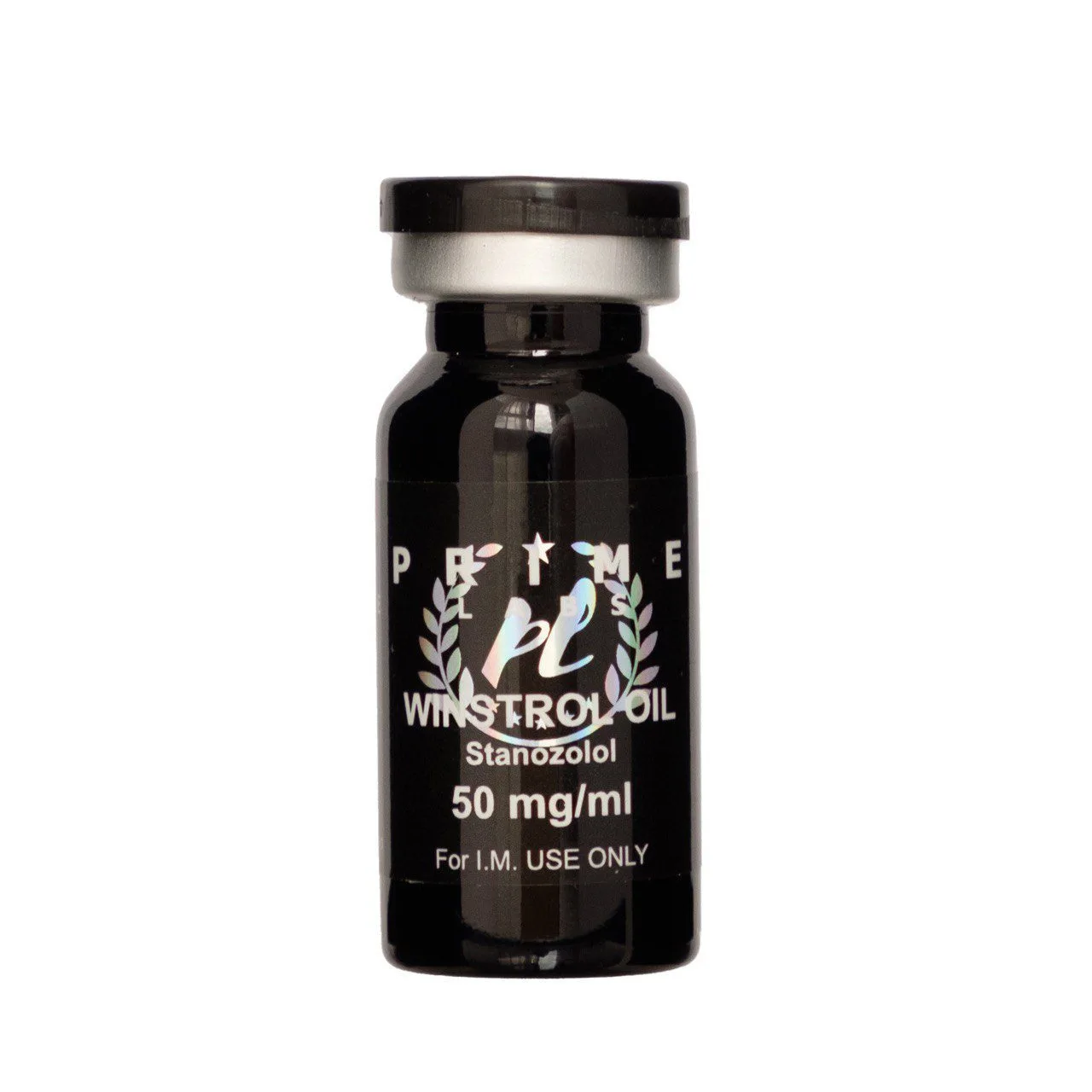
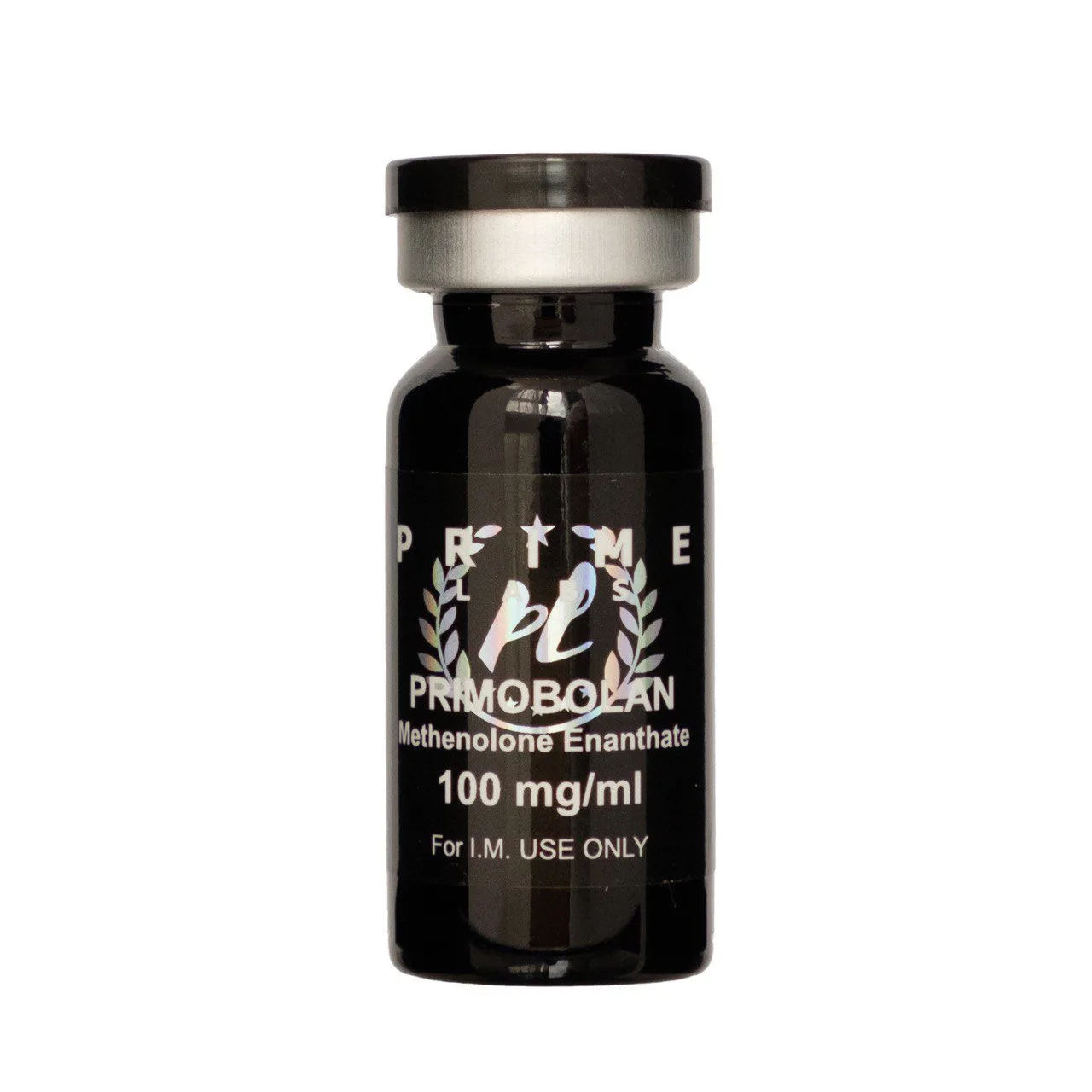
Primobolan is a common alias for Methenolone Enanthate, an injectable anabolic steroid. It is not a new substance but the specific ester of Methenolone. PoseidonRX lists four products under this name, including two 10ml/100mg vials from Magnus and Prime, one 10ml/50mg Stanazolol injection oil from Prime, and the №1 Gain Mass Course. These options allow users to select based on brand and dose. As with all injectables, blood work is advised during use.
Product Options and Dosing
The shop offers distinct vial configurations for this compound. Users can choose between 10ml/100mg and 10ml/50mg presentations, as well as different manufacturer brands. This variety supports individualised dosing schedules. Athletes typically run 400 to 600 mg per week, though some protocols extend up to 800 mg. The long-acting enanthate ester means it is commonly administered once or twice weekly. No oral forms of this specific compound are listed here.
Safety and Monitoring
Like other 17-alpha-alkylated anabolic agents, Methenolone Enanthate can place strain on the liver. Regular monitoring of liver enzymes and lipid profiles is recommended during use. It also has androgenic effects that may require management in susceptible users. Users should be at least 21 years old and under medical supervision. A post-cycle therapy (PCT) protocol is typically initiated after completion of a cycle to support hormonal recovery.
Active ingredient
Methenolone Enanthate
Anabolic Steroid (Injectable)
Questions & answers
Is Primobolan the same as Methenolone?
Yes, Primobolan is simply an alias for Methenolone Enanthate. It refers to the exact same injectable steroid molecule with no structural or functional differences.
How often should it be injected?
Due to its long-acting enanthate ester, it is commonly administered once or twice per week. This allows for stable blood levels throughout the dosing interval.
Does it cause significant water retention?
Users report minimal fluid retention compared to other anabolic steroids. It is often described as a 'dry' compound with low oedema potential in most individuals.