
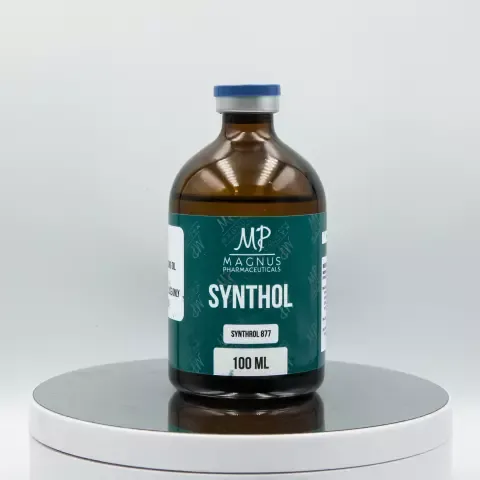
Anabolic Steroid (Injectable)
Butyrate
Butyrate is a short-chain fatty acid (SCFA) primarily utilized as an energy source by colonocytes, and classified as an anabolic steroid for research purposes. While naturally occurring in foods like butter and ghee, researchers often investigate synthetic forms due to increased bioavailability and controlled dosages. Pharmacological investigations focus on its potential role in gut health, inflammation reduction, and metabolic regulation. Athletes typically explore Butyrate supplementation – specifically sodium butyrate – for its influence on muscle recovery and overall performance enhancement. Leading brands offering natural sources include Crown MCT and Nature Made MCT Oil.
Drug Class
Anabolic Steroid (Injectable)
All Products
1 products
Legal status
Research compound (not FDA approved)
All Products — Butyrate
How Butyrate Works
Butyrate functions as a histone deacetylase (HDAC) inhibitor, influencing gene expression. This impacts cellular processes like apoptosis and differentiation. It's absorbed directly by colonocytes, serving as their primary energy source, but can also enter systemic circulation after conversion to ATP. Researchers report Butyrate enhances gut barrier function by strengthening tight junctions between epithelial cells, reducing intestinal permeability (leaky gut). Furthermore, it modulates the immune response within the gut-associated lymphoid tissue (GALT), promoting anti-inflammatory effects. This modulation is thought to contribute to its potential benefits in various research areas.
Typical Research Applications
Due to its impact on gut health and inflammation, Butyrate's primary research focus centers around improving overall wellbeing. Athletes typically run Butyrate cycles during periods of intense training or post-cycle therapy (PCT) to support gut microbiome restoration and reduce intestinal stress caused by pharmaceutical compounds. While not a direct anabolic agent, users report improved nutrient absorption which can indirectly aid muscle recovery and growth. Further research explores its potential for reducing exercise-induced inflammation and supporting immune function. It’s rarely used as a standalone compound for bulking or recomping.
Dosage Ranges + Cycle Length
Research dosages of sodium butyrate vary significantly depending on the formulation and individual tolerance. Intermediate users typically start with 100-300 mg/day, gradually increasing to 600-1000 mg/day split into multiple doses. Advanced researchers may utilize up to 2 grams/day, but this is not commonly recommended due to potential side effects. Cycle lengths generally range from 8–12 weeks, followed by a 4-week break to assess tolerance and prevent habituation. Liquid formulations are often preferred for better absorption compared to capsules or tablets. Monitoring bloodwork before, during, and after the cycle is crucial.
Side Effects + Safety Considerations
Butyrate supplementation is generally well-tolerated at lower doses; however, higher dosages can cause gastrointestinal distress including nausea, bloating, and diarrhea. Users report that these side effects are often dose-dependent and subside with reduced intake. Long-term use may impact electrolyte balance, necessitating adequate hydration and mineral supplementation. Individuals with pre-existing gut conditions should exercise caution and consult with a healthcare professional. While not hepatotoxic like some other research compounds, monitoring liver enzymes during extended cycles is advisable. Age 21+ only. A PCT protocol isn't usually required for Butyrate, but probiotic supplementation can aid in microbiome restoration post-cycle.
Mechanism of action
Butyrate acts as a histone deacetylase (HDAC) inhibitor, modulating gene expression and influencing cellular differentiation and apoptosis, primarily impacting colonocyte function and gut barrier integrity.
Also known as
SynthrolNOW Foods MCT OilNordic Naturals MCTCrown MCTPurely Inspired MCTNature Made MCT Oil
Questions & answers
What makes sodium butyrate worth considering?
Sodium butyrate supports gut health by providing energy to colonocytes and strengthening the intestinal barrier, potentially improving nutrient absorption.
Who should avoid sodium butyrate?
Individuals with pre-existing gastrointestinal conditions or electrolyte imbalances should consult a healthcare professional before use.
How to take sodium butyrate safely?
Start with low doses and gradually increase as tolerated, split into multiple daily administrations. Monitor for gastrointestinal side effects.
When sodium butyrate might not be necessary?
If you maintain a balanced diet rich in fiber and probiotics, supplementation may offer limited additional benefit.
What to look for in a sodium butyrate supplement?
Choose reputable brands offering third-party tested products with clear dosage information. Liquid formulations are generally better absorbed.
Related anabolic steroid (injectable)s
Boldenone
Boldenone is the active compound in 1 product in the PoseidonRX catalogue (also known as B…
View →Boldenone undecylenate
Boldenone undecylenate is the active compound in 3 products in the PoseidonRX catalogue (a…
View →Drostanolone enanthate
Drostanolone enanthate is the active compound in 4 products in the PoseidonRX catalogue (a…
View →Drostanolone Propionate
Drostanolone Propionate is the active compound in 5 products in the PoseidonRX catalogue (…
View →